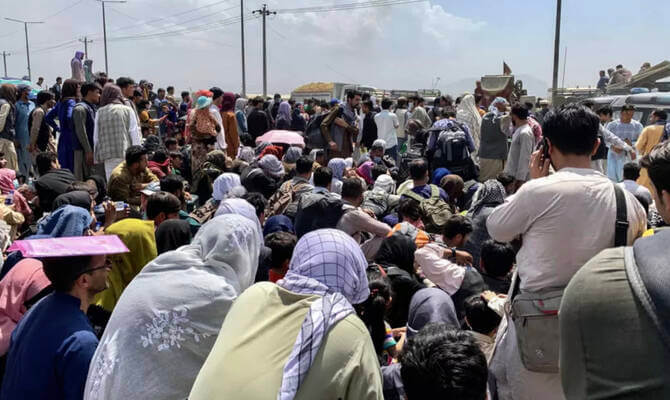
The United States is considering a controversial arrangement involving Afghan refugees who previously worked with or supported U.S. forces.
The proposal reportedly involves relocating up to 1,100 Afghans and their family members to the Democratic Republic of Congo (DRC) under a broader migration and deportation framework being discussed between Washington and Kinshasa.
The group affected includes former Afghan interpreters, members of Afghan special operations units, and relatives of U.S. service members.
Many of them had already been in long, complex resettlement processes tied to America’s post-war evacuation commitments.
More than 400 children are among those potentially impacted, raising humanitarian concerns about displacement, safety, and legal protection.
Involvement
The arrangement is linked to a wider migration cooperation deal between the U.S. and the DRC.
Separate reporting confirms that Congo has agreed in principle to receive third-country nationals deported from the United States, although details on numbers and conditions remain unclear.
READ ALSO: D.R. Congo in talks with the U.S. over African deportations
This reflects a growing U.S. policy shift toward outsourcing parts of its immigration and deportation system to third countries, especially for individuals who cannot easily be returned to their countries of origin due to security risks or political instability.
However, the choice of DRC has raised eyebrows among humanitarian observers, given the country’s own internal security challenges and ongoing displacement issues in regions such as Ituri and North Kivu.
Humanitarian and political implications
The proposal adds another layer to an already tense global refugee situation.
According to humanitarian reporting, more than 120 million people worldwide are currently displaced and unable to return home, a record level driven by conflict, climate pressures, and political instability.
Afghan refugees remain one of the most affected groups globally, with millions displaced since decades of conflict and the Taliban’s return to power in 2021.
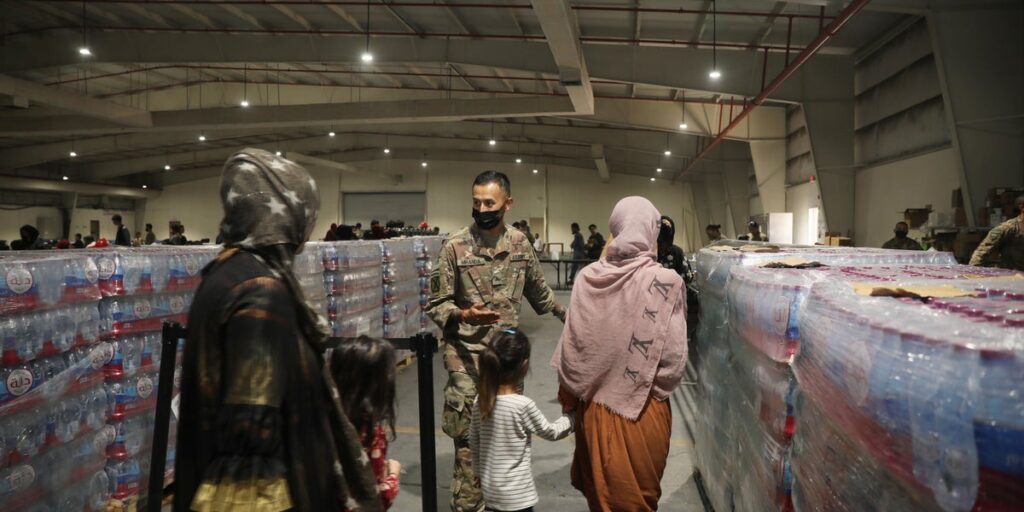
Critics argue that relocating vulnerable Afghan allies to a third country far from cultural, linguistic, and legal support networks could deepen uncertainty and risk.
Supporters, however, frame the arrangement as a pragmatic solution to stalled resettlement systems and rising political resistance to immigration in the United States.
The bigger picture
The reported Congo–U.S. arrangement highlights a broader global trend: migration policy is increasingly becoming geopolitical outsourcing.
Instead of traditional resettlement pathways, countries are experimenting with third-country relocation agreements, raising difficult questions about responsibility, protection standards, and long-term integration.
For Afghan refugees in particular, the stakes are high.
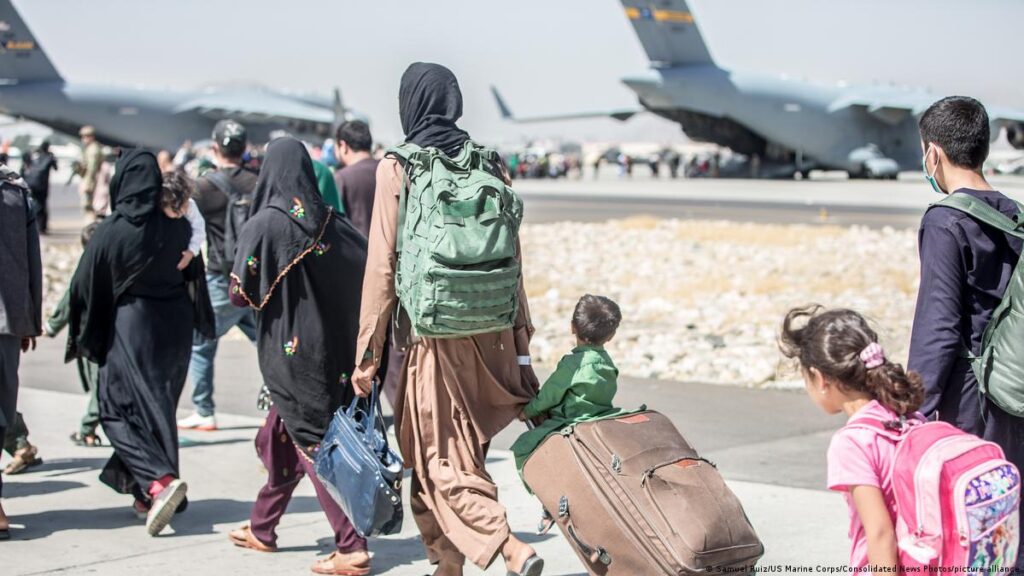
Many had been promised protection after assisting U.S. operations, and their future now sits at the intersection of diplomacy, domestic politics, and global migration pressure.
The story is still developing—but it reflects a hard truth of modern migration politics:
Refugee policy is no longer just humanitarian. It is strategic, transactional, and deeply contested.