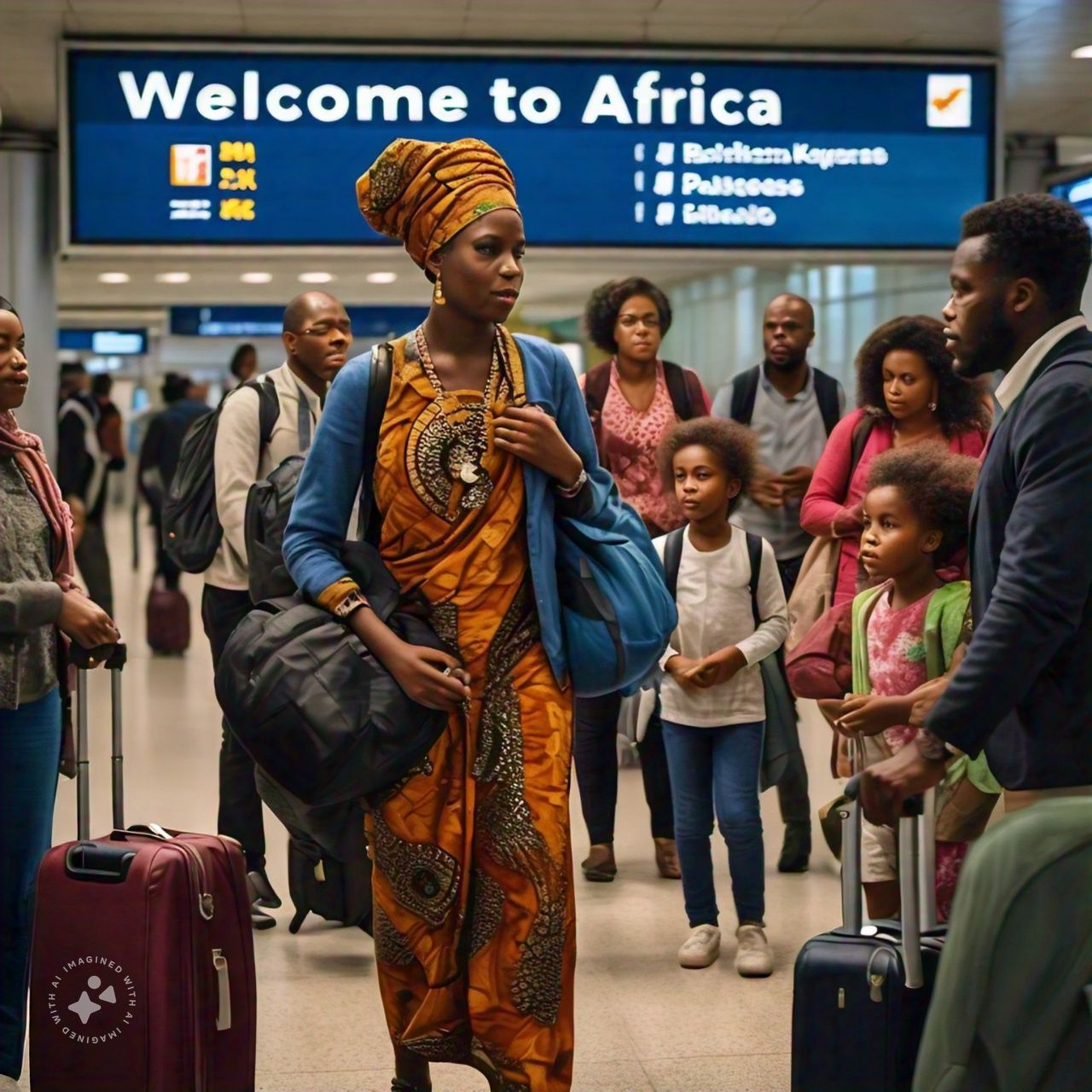
𝖳𝗁𝖾 𝗐𝗈𝗋𝗅𝖽 𝗂𝗌 𝗀𝖾𝗍𝗍𝗂𝗇𝗀 𝗂𝗇𝖼𝗋𝖾𝖺𝗌𝗂𝗇𝗀𝗅𝗒 𝗂𝗇𝗍𝖾𝗋𝖼𝗈𝗇𝗇𝖾𝖼𝗍𝖾𝖽, 𝗍𝗁𝖾 𝗌𝖺𝗆𝖾 𝗐𝗂𝗍𝗁 𝗍𝗋𝖺𝗏𝖾𝗅. 𝖨𝗍 𝗁𝖺𝗌 𝖻𝖾𝖼𝗈𝗆𝖾 𝗆𝗈𝗋𝖾 𝖺𝖼𝖼𝖾𝗌𝗌𝗂𝖻𝗅𝖾 𝗍𝗈 𝗉𝖾𝗈𝗉𝗅𝖾 𝖿𝗋𝗈𝗆 𝖽𝗂𝖿𝖿𝖾𝗋𝖾𝗇𝗍 𝖻𝖺𝖼𝗄𝗀𝗋𝗈𝗎𝗇𝖽𝗌. 𝖧𝗈𝗐𝖾𝗏𝖾𝗋, 𝖺𝗌 𝖺 𝖻𝗅𝖺𝖼𝗄 𝗍𝗋𝖺𝗏𝖾𝗅𝖾𝗋 𝖾𝗑𝗉𝗅𝗈𝗋𝗂𝗇𝗀 𝖼𝖺𝗇 𝖻𝖾 𝗏𝖾𝗋𝗒 𝖼𝗈𝗆𝗉𝗅𝖾𝗑 𝖺𝗇𝖽 𝖿𝗋𝗎𝗌𝗍𝗋𝖺𝗍𝗂𝗇𝗀 𝖽𝗎𝖾 𝗍𝗈 𝖺𝖼𝖼𝖾𝗌𝗌 𝖺𝗇𝖽 𝖺𝖼𝖼𝖾𝗌𝗌𝗂𝖻𝗂𝗅𝗂𝗍𝗒 𝗈𝖻𝗌𝗍𝖺𝖼𝗅𝖾𝗌.
𝖠𝖿𝗋𝗂𝖼𝖺, 𝖺 𝖼𝗈𝗇𝗍𝗂𝗇𝖾𝗇𝗍 with 𝖺 𝗋𝗂𝖼𝗁 𝖼𝗎𝗅𝗍𝗎𝗋𝖺𝗅 𝗁𝖾𝗋𝗂𝗍𝖺𝗀𝖾 𝖺𝗇𝖽 𝖻𝗋𝖾𝖺𝗍𝗁𝗍𝖺𝗄𝗂𝗇𝗀 𝗇𝖺𝗍𝗎𝗋𝖺𝗅 𝖻𝖾𝖺𝗎𝗍𝗒, 𝗁𝖺𝗌 𝖺𝗅𝗐𝖺𝗒𝗌 𝖻een 𝖺 𝖽𝖾𝗌𝗍𝗂𝗇𝖺𝗍𝗂𝗈𝗇 that fascinates travelers from around the globe. it is as it can be for Africans as result of some key issues that’ll be extensively discussed below. These obstacles do not only limit the ability of Black travelers to fully take full advantage or experience the continent’s wonders but also hinders the growth of tourism and cultural exchange.
Language Barriers: A Tower of Babel
This has proven to be a very big obstacle to Black travel in Africa. While there are official and adopted languages in most African countries like English, French, or Portuguese, their local dialects and languages are quite dominant. It’s always difficult to communicate with indigene and locals for directions, accessing accomodations and having other cultural experiences can be a daunting task. This Language gap can lead to feelings of isolation and disconnection, distracting the overall travel experience. This is why some people come with a interpreter or language translator to bridge the massive language barrier gap.
Visa Restrictions: A Web of Complexity
This is more like a nightmare for every black travelers. Visa requirements and restrictions pose a significant challenge to Black Travel in Africa. Some countries have prudent visa policies, making it difficult for their fellow Black African travelers to enter. Even when visas are obtainable, the process can be very stressful and costly. In most cases after going through all these you might still get denied as a result of one deficiency or the other, restricting many from exploring the continent. The complexity of Visa requirements and the uncertainty of approval can be overwhelming, leading to frustration and disappointment.
Financial Constraints: A Heavy Burden
While it’s no secret that everyone wants to explore these destinations but not every pockets are quite equal. Financial Barriers are another significant challenge facing Black travelers in Africa. Traveling within the continent can be expensive with high transportation costs, accomodations prices, and activity fees. Black travelers may face financial constraints, that will affects their ability to explore the continent as they ought to and to fully engage with local cultures. This financial burden can be worrying, forcing travelers to make difficult choices between going all out to have this fascinating experiences and compromise on their travel plans.
Infrastructure and Transportation: A Rocky Road
This has been a huge struggle in this part of the continent, who are we going to apportion blame to on this, well majority of us would definitely pick the government but we are not entirely wrong if we do so. But it is obviously the government responsibility to ensure the roads are worthy enough for travelers right? Inadequate infrastructure and transportation options also hinder Black travelers from exploring their own continent. In some areas, roads are poor and public transportations can be so unreliable at times, making it difficult for travelers to move around. Additionally l, air travel can be expensive, and flight routes may also be limited, further restricting access to certain regions. The lack of reliable transportation options can cause delays, cancellation and missed opportunities, causing stress and disappointment.
Cultural and Social Barriers: Invisible Walls
To our surprise yeah, cultural and social barriers exist, often manifesting as racism, discrimination, or cultural insensitivity. Black travelers may encounter unwelcoming attitudes or biases, making them feel uncomfortable or unwelcome in a way. Cultural differences can lead to misunderstanding or miscommunication creating additional challenges and tensions. These invisible walls can be just as daunting as physical barriers, affecting the mental and emotional well being of travelers.
Before we check for the possible solutions of this serious setback, we have life story from Carey Baraka highlighting her personal struggle to to access to explore the African Rich continent even as an African.
Carey Baraka’s Experience
“As I scrolled through social media, a post caught my eye – a road trip through seven African countries. I paid a deposit, despite concerns, and a few months later, I was on a truck with strangers, traveling through the stunning landscapes of Africa.
But as we crossed borders, I realized the difficulties African travelers face. Visas were a hassle, language barriers existed, and flights were expensive. We laughed about the absurdity of it all, but behind the laughter was heartache.
I thought of my mother, a traveler who explored Kenya with me and my brothers. As I grew older, my travels expanded, but I faced the same challenges other African travelers do. Anneli Douglas, an academic, told me how much easier it is for Western visitors to get visas than for Africans.
Sam Maundu, a tour operator, listed the difficulties: language barriers, visa restrictions, expensive flights, and harassment by border officials. The legacy of colonialism meant that interaction between African countries was limited to former colonial lines.
The African Union’s proposed passport, meant to ease travel, has been stalled for years. Only a few countries have committed to visa-free travel for Africans. Kenya recently introduced an electronic travel authorization, closing doors instead of opening them.
As I traveled, I realized that exploring Africa as an African is a complex, frustrating experience. But I refuse to give up. I’ll continue to explore, to discover versions of myself in other countries, and to advocate for change, so that one day, traveling in Africa will be easier for all Africans.”
Solutions
Some solutions to address these access and accessibility barriers, is that African countries and tourism industries should work together to create a more inclusive and accessible travel experience. This can be achieved by:
- Implementing language training programs for tourism industry workers.
- Streamlining visa processes and reducing costs and also give some more countries Visa-free access
- Offering affordable transportation and accommodation options
- Developing cultural sensitivity training programs
- Creating online platforms and resources for Black travelers
I’mOTHER BLOG: Beyond Greener Pastures: The Untold Stories of Nigeria’s Top 20 Travel Enthusiasts
By breaking down these barriers, Africa can become a more welcoming and inclusive destination for Black travelers, fostering greater cultural exchange, understanding, and economic growth. The continent’s rich cultural heritage and natural beauty can be shared with a broader audience, promoting cross-cultural understanding and cooperation.