Germany has temporarily paused its participation in the United Nations’ refugee resettlement program, signalling a significant pivot in the country’s migration policies. The decision comes as the country moves toward a conservative-led coalition government, with policy reform talks heavily focused on tightening asylum and immigration rules.
The Federal Ministry of the Interior confirmed the suspension this week, stating that the decision was part of ongoing governmental restructuring. Coalition discussions between the Christian Democratic Union (CDU) and the Social Democratic Party (SPD) are ongoing, but one thing is clear: Germany is preparing for a more restrictive migration stance.
While Germany is not entirely closing its doors—some refugees will still be admitted through other channels—the immediate impact of this pause is already being felt across regions that have long relied on the program, including Turkey, Egypt, Jordan, and Kenya. These countries serve as key hubs for asylum seekers waiting on resettlement decisions, and many are now left in limbo.
This shift in Germany’s long-standing approach to refugee support marks a sharp departure from its more open policies in recent years. The move also reflects rising domestic tensions and a political climate increasingly influenced by the far-right Alternative for Germany (AfD) party, which has gained traction by capitalizing on anti-immigrant sentiment.
But for African and Black asylum seekers, the implications of this policy shift are especially concerning.
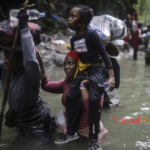
For many African migrants fleeing conflict, persecution, or climate-related crises, Germany has historically been a key destination, seen as both a safe haven and a gateway to broader European stability. The UN resettlement program offered one of the few legal and structured paths to asylum—especially for those stuck in refugee camps or transitional countries where their safety remains uncertain.
Now, with Germany pressing pause, a vital route to safety is effectively blocked.
“The closure of this resettlement pipeline doesn’t just delay movement; it reroutes lives,”
says Dr. Amaka Eze, a migration policy researcher based in Berlin.
“For African refugees, particularly from regions like the Horn of Africa or conflict zones in West Africa, this can mean years more in precarious conditions—or taking dangerous alternatives.”
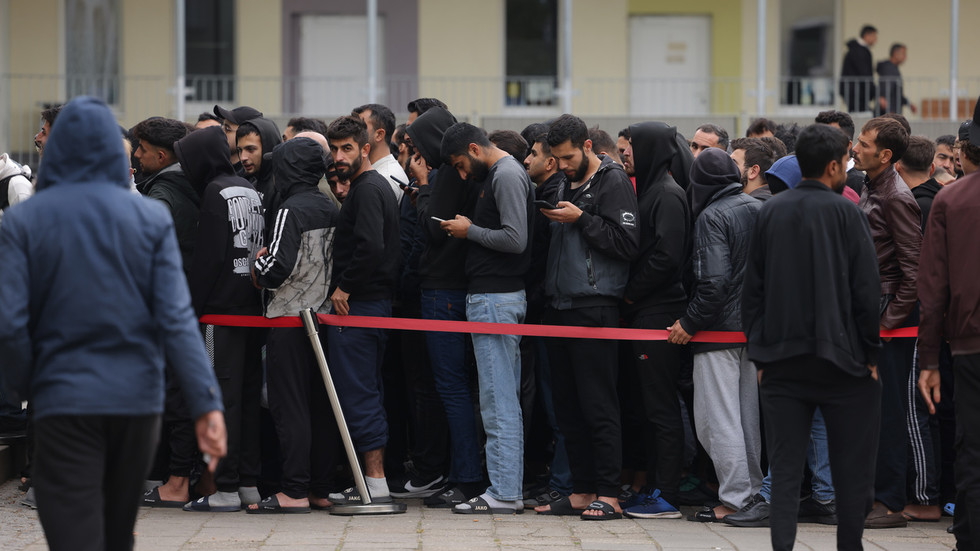
While migration remains a global issue, its impact is far from evenly distributed. For African asylum seekers, Europe’s shifting policies increasingly feel like a game of musical chairs—one where the music often stops just as they’re about to find a seat.
From Italy’s crackdown on search-and-rescue missions in the Mediterranean to the UK’s controversial Rwanda deportation plan, Black migrants face unique systemic challenges. Germany’s latest move is yet another reminder of how geopolitical shifts often come at the expense of the most vulnerable.
“Let’s be honest—these policies are not race-neutral,”
says Meryam Abdi, a Somali asylum advocate in Frankfurt.
“We’re seeing an erosion of refugee protections that disproportionately affects Black and African migrants. And it’s not just policy—it’s the rhetoric, the suspicion, the way we are policed at the border and surveilled in public spaces.”
Germany’s decision doesn’t exist in a vacuum. Across the continent, migration has become a lightning rod for political debate, especially in the lead-up to national elections. The European Union is currently negotiating a new migration pact that many human rights groups warn could lead to further restrictions, longer detention periods, and expedited deportations.
For African migrants, this evolving legal landscape means more uncertainty—and more risk.
In recent years, reports have surfaced of migrants being pushed back at borders, detained under poor conditions, or funneled into underfunded “integration” programs that offer little support. Now, with fewer safe and legal routes, the risk of exploitation by traffickers or smugglers increases.
“This isn’t just a bureaucratic pause—it’s a life-altering decision,” says Dr. Eze. “It pushes people to the margins, and too often, over the edge.”
While the exact duration of Germany’s suspension remains unclear, analysts expect it to remain in place at least until the new coalition finalizes its legislative priorities. CDU leadership has already signaled intentions to push for stricter border controls and faster deportation timelines—policies that could solidify Germany’s pivot away from its 2015-era migration openness.
Still, there may be pressure from international partners and civil society organizations to resume resettlement efforts, particularly if humanitarian needs escalate in regions like Sudan or the Sahel.
In the meantime, African and Black asylum seekers are left to navigate a deeply uneven and increasingly hostile landscape.
As the continent continues to reckon with colonial legacies, economic disparities, and climate shocks, migration will remain a reality. But the routes—especially the dignified, legal ones—are narrowing. And that means travelers, refugees, and those in-between must continue to adapt, advocate, and seek solidarity across borders.
For African travelers and displaced people watching Germany’s next moves, one thing is certain: The road to refuge is becoming harder to map.