Limbe is hosting the fifth edition of the Cameroon International Tourism Fair and this year’s gathering is the most ambitious yet.
More than 40 international tour operators are in attendance. And Central Africa’s most ambitious tourism platform is sending one clear message:
Cameroon is ready.
The seaside city of Limbe came alive as stakeholders across the tourism value chain gathered at the iconic Limbe Botanic Garden for the grand opening of CITF 2026 held under the theme “Synergizing Tourism, Culture and Trade.”
This is not a regional gathering anymore. It is an international platform.
And this edition is the biggest yet.
Read Also: Angola Builds Tourism Archive to Preserve Sector Knowledge
One Vision
The Cameroon International Tourism Fair did not arrive fully formed.
One woman built it from scratch.
CITF CEO and Vision Bearer Agatha Iyok reflected on the journey at the opening ceremony, describing the fair as a vision birthed five years ago to unite tourism stakeholders and communities for a shared purpose.

“Cameroon, often described as Africa in miniature, possesses an extraordinary cultural tapestry and tourism potential that must be harnessed to attract visitors and investors.”
The fair’s primary objectives are to promote tourism, create jobs, and build positive impact in local communities across Cameroon and beyond fostering both intra-African and global tourism collaboration.
Minister of Tourism and Leisure, Gabriel Mbaïrobe, described CITF as a cornerstone of Cameroon’s national strategy to position itself as a premier global destination.
“The blue economy goes beyond the simple use of maritime resources. It promotes sustainable management of coastal and oceanic spaces while creating jobs and reducing poverty.”
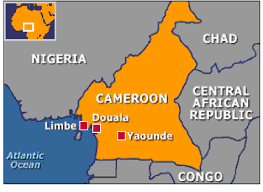
The 2025 edition was postponed due to electoral conditions, making CITF 2026 a significant return for the platform, which first launched at Limbe Botanic Gardens in 2021.
The comeback is deliberate.
The energy in Limbe confirms it.
Limbe is not a random venue. It is a strategic one.
The city offers a concentration of natural and heritage assets including black sand beaches, Mount Cameroon, the Bimbia Slave Route, and the Limbe Wildlife Centre, which protects nine primate species.