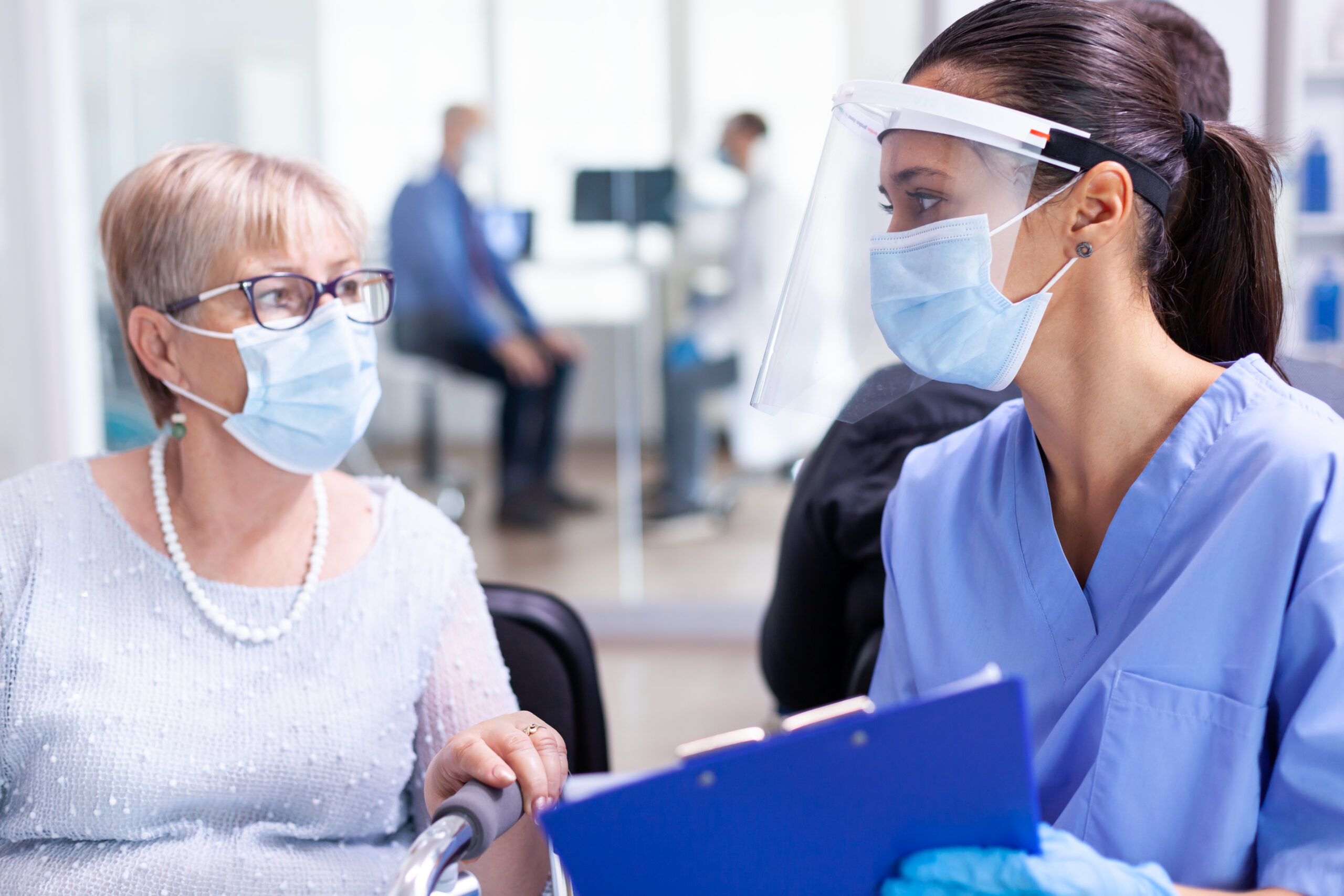
When people talk about healthcare in the United Kingdom, one common statement always comes up: “Healthcare is free in the UK.” While this is partly true, it doesn’t tell the whole story. The United Kingdom runs a public healthcare system known as the National Health Service (NHS), which provides medical care to residents without direct charges at the point of use. But does that really mean healthcare is free? Not exactly.
In reality, the NHS is funded by taxes and other government revenues, which means every working resident indirectly contributes to the system. On top of that, immigrants and international students are required to pay significant fees to access NHS services during their stay. So, while patients might not pay upfront for most treatments, the healthcare system is far from “free.”
What Services Are Actually Free?
While many NHS services are free, not everything is covered. Residents still pay out-of-pocket for certain types of care, such as:
- Dental treatments
- Eye tests and glasses
- Prescription medications (unless exempt due to age, condition, or income)
However, several services remain completely free for everyone, including:
- Emergency and accident care
- Maternity care
- Mental health and counseling services
- Treatment for infectious diseases
- Family planning and sexual health services
This mixed system ensures that essential and life-saving treatments are available to everyone, but routine or elective care often comes with additional costs.
How the NHS is Funded
The NHS operates on a publicly funded model, which means that the money used to run hospitals, pay staff, and buy equipment primarily comes from income tax, National Insurance contributions, and other public funds. According to official data, the NHS budget in England alone exceeds £180 billion annually; a staggering figure that highlights the scale of investment needed to keep the system functioning.
However, not everyone contributes equally. For example, international students and visa holders pay an additional charge called the Immigration Health Surcharge (IHS). As of 2025, this fee is £1,035 per year for adults and £776 for children. But when you factor in other visa-related costs, the total can easily exceed £1,700 per person per year – a huge amount, especially for students from developing countries like Nigeria.
When multiplied by thousands of immigrants and students, this becomes a significant pool of money that goes into supporting NHS services. So, while British citizens contribute through taxes, immigrants help sustain the system through their health surcharge payments.
The Rising Pressure on the NHS
From the outside, the UK’s healthcare system often looks like a model of success, with modern hospitals, trained professionals, and accessible healthcare for all. Yet, within the system, many people feel it’s not as efficient as it used to be.
According to The Health Foundation, the waiting list for routine hospital treatment in England reached a record 7.7 million people in 2023, with nearly 390,000 patients waiting over a year for care. By August 2025, the figure stood at 7.4 million, showing that despite ongoing reforms, the NHS is still struggling to meet rising demand.
These long waiting times suggest that the system is overstretched and under-resourced, especially as the population grows and the demand for healthcare increases. Despite the NHS being a source of national pride, public satisfaction has been declining. Many people express frustration over long waiting times, difficulty booking GP appointments, and staff shortages. These challenges have led some to question whether the system can continue to offer quality care without major reforms.
Even foreign residents and students, who pay large sums to access healthcare, often voice dissatisfaction. Social media platforms like X (formerly Twitter) are filled with comments from users frustrated by months-long waits for hospital appointments or the inability to see a doctor when needed.
Contacted by GPs today, the 10th November, for a telephone appointment about an unresolved medical problem and the next available telephone appointment is the 11th December.
🙄
I don't know if I should laugh or cry.
— Stu – Brit – Wood 🇬🇧🇺🇦🇮🇱 (@eairtap1) November 10, 2025Should the UK Adopt a Paid Healthcare Model?
Given the current pressures, some argue that the UK should consider introducing a partly paid healthcare model, similar to systems in other European countries where people contribute a small percentage directly toward treatment. This could help reduce waiting times and ease the financial burden on the NHS.
However, this raises a crucial question: Would introducing payment make healthcare less accessible for low-income families?
The UK is already facing a cost-of-living crisis, with rising housing prices, energy bills, and food costs stretching household budgets. Adding healthcare payments on top of these could make it even harder for vulnerable people to access necessary medical services.
Therefore, while reform is needed, completely abandoning the free-at-point-of-use model could worsen inequalities in access to healthcare.
The real issue lies not in whether the NHS should be free, but in how it can be sustainably funded without compromising accessibility. The government continues to invest billions of pounds each year, but as the population grows older and chronic diseases become more common, demand will only rise.
So, is healthcare in the UK truly free? Technically, yes. Patients don’t pay when they visit the hospital or see a GP. But in practice, everybody contributes, either through taxes or fees like the Immigration Health Surcharge. What’s important is finding a balance that maintains the core value of universal healthcare while ensuring the system remains financially sustainable and fit for the future.
What do you think? Should the UK consider a paid healthcare model, or should it focus on reforming the NHS from within? Share your thoughts in the comments below.
Also Read: Best Scholarships for Africans to Study in the UK, US, and Canada