Sacred journeys are deeply transformative experiences that awaken the soul and connect you to something far greater than yourself. Whether you are visiting the Vatican, performing the Camino de Santiago pilgrimage, meditating at a Buddhist monastery in Thailand, or exploring indigenous shrines in Africa, your behavior shapes not just your experience but the respect you show to those who hold these places sacred.
This guide reveals powerful etiquette and preparation tips that will make your spiritual journey meaningful, memorable, and deeply respectful.
| ⚠️ Disclaimer: The information provided in this article is for educational and informational purposes only. While we strive for accuracy, cultural and religious practices can vary widely by region and may change over time. Travelers are encouraged to verify local customs, dress codes, and site-specific rules before visiting any sacred destination. |
Preparation Tips When Visiting Sacred Sites
A sacred journey starts long before you step foot at the destination. Your mindset, preparation, and behavior determine how much you will take away from the experience.
Below are some preparation tips you should bear in mind.
- Research the sacred space: Before you travel, take time to learn the spiritual and cultural significance of the site you’re visiting. This will prevent you from unintentionally disrespecting the tradition of the place.
- Learn the history and customs: Many sacred places have deep-rooted traditions. For example, visitors to Japan’s Shinto shrines should bow at the torii gate before entering, as it symbolizes respect for the gods.
- Understand entry rules: Some sites have strict entry requirements like Mecca, which is only open to Muslims. Others may require you to remove your shoes, cover your hair, or participate in cleansing rituals.
- Check local calendars: Avoid visiting during private ceremonies or prayer times unless visitors are welcome to observe.
Etiquettes to Practice While Visiting
One of the foremost things you should bear in mind is your mode of dressing. Sacred sites are places of reverence, and clothing is often part of the ritual of respect.
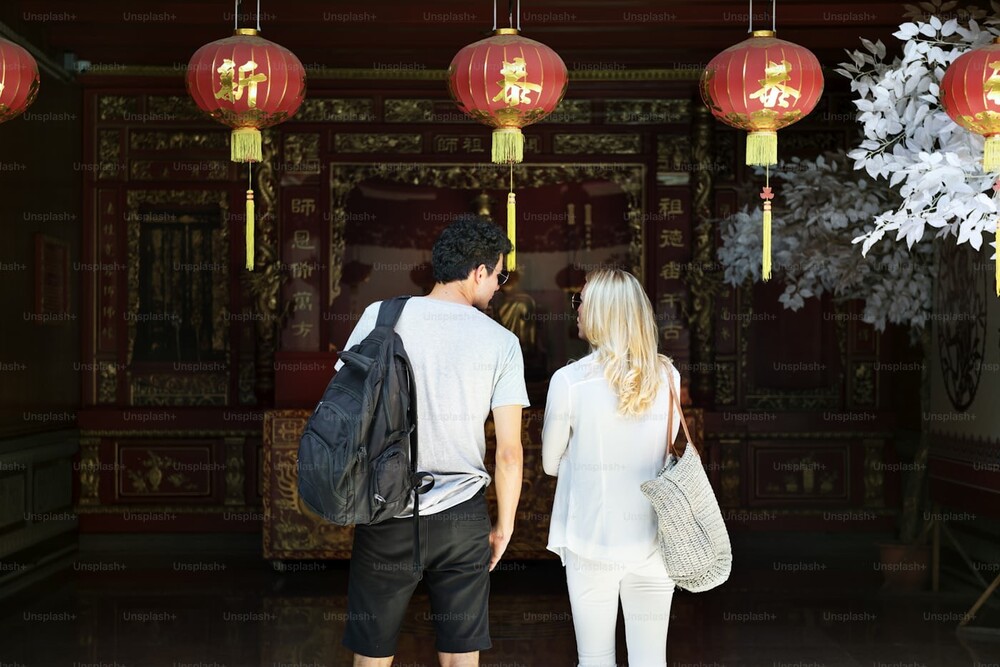
- Cover appropriately: In Buddhist temples, shoulders and knees should be covered, and in Catholic churches, modest clothing is preferred.
- Avoid flashy outfits: Choose neutral colors and avoid anything that could be distracting or offensive.
- Carry a light scarf or shawl: This is especially helpful in places where women are required to cover their hair or shoulders, like mosques or Orthodox churches.
Another thing you should consider is the way you speak. Always move and speak with reverence. Sacred spaces are designed for prayer, reflection, and inner peace. How you move and speak may affect your experience.
- Walk calmly: Avoid running, rushing, or making loud movements.
- Lower your voice: Whisper or speak softly if necessary. Many sacred places encourage silence altogether.
- Observe before acting: Watch how locals behave, when they bow, kneel, or sit before joining in.
More so, make sure to always respect the sacred objects and symbols in the location. Always remember that every object in a sacred site holds meaning, sometimes spiritual, and sometimes historical.
- Do not touch without permission: Religious relics, altars, statues, and offerings should be treated with care. Touching them may be forbidden.
- Follow signage: If there’s a rope barrier or “Do Not Enter” sign, obey it.
- Be careful with offerings: Do not remove offerings like flowers or incense, as they often represent prayers or blessings.
Photography Etiquettes in Sacred Places
While it’s tempting to capture every moment, some places prohibit photography, especially during rituals.
- Ask first: Always check posted signs or ask a guide before taking photos.
- No flash photography: Camera flash can disrupt ceremonies.
- Avoid intrusive selfies: Taking selfies in front of altars or during prayers can come across as disrespectful.
Let’s take a look at instances where photography was considered disrespectful and banned from a religion site:
According to the Times of India, the temple committee of the Kedarnath put a complete ban on mobiles and cameras, following the large amount of content that was created at the temple the previous year.
A pilgrim took a photograph of spiritual leader Morari Bapu inside the sanctum sanctorum of the Kedarnath Temple, violating a recent ban on photography there. The man was identified via CCTV and was let off after issuing a written apology and paying a donation.
No pilgrim will be allowed to carry mobiles or cameras within the temple premises. Strict action will be taken against those making reels or videos. – Vijay Prasad Thapliyal, the Chief Executive Officer of the Shri Badrinath-Kedarnath Temple Committee.
Conclusion
A sacred journey is as much about inner transformation as it is about outer exploration. When you take the time to research the space, dress appropriately, move with reverence, and respect sacred symbols, you elevate your experience from ordinary tourism to a soul-stirring pilgrimage.
Approach your journey with humility, gratitude, and mindfulness. The respect you show will be felt by others, and by you long after you leave the sacred site.
Your turn to explore! Where will your sacred journey take you next? Please with us in the comment below👇
Read Next: Sunrise Rituals: Morning Workouts Inspired by Ancient Indian Yoga Practices