I remember my university days as a freshman. The student communities had planned a hike on the school mountains as part of the Freshers’ welcome events. Some students came prepared and informed about these activities beforehand, while others were unaware until they resumed. As minor as the hiking seemed, students without proper hiking gear paid the price. You can already imagine how that ended.
Imagine climbing Kilimanjaro’s snowy peak or exploring the deep dunes of the Sahara with an inappropriate hiking backpack. The right travel gear keeps you safe and ensures a smoother, more enjoyable experience.
In this blog post, I’ll discuss hiking essentials every African traveller should have.
Essential Backpacking Gear for African Hikes
As a traveller, it’s essential to keep investing in your backpacking gear. You need the right African trekking gear depending on the time of year you travel in Africa. Africa’s climate and terrain vary widely.
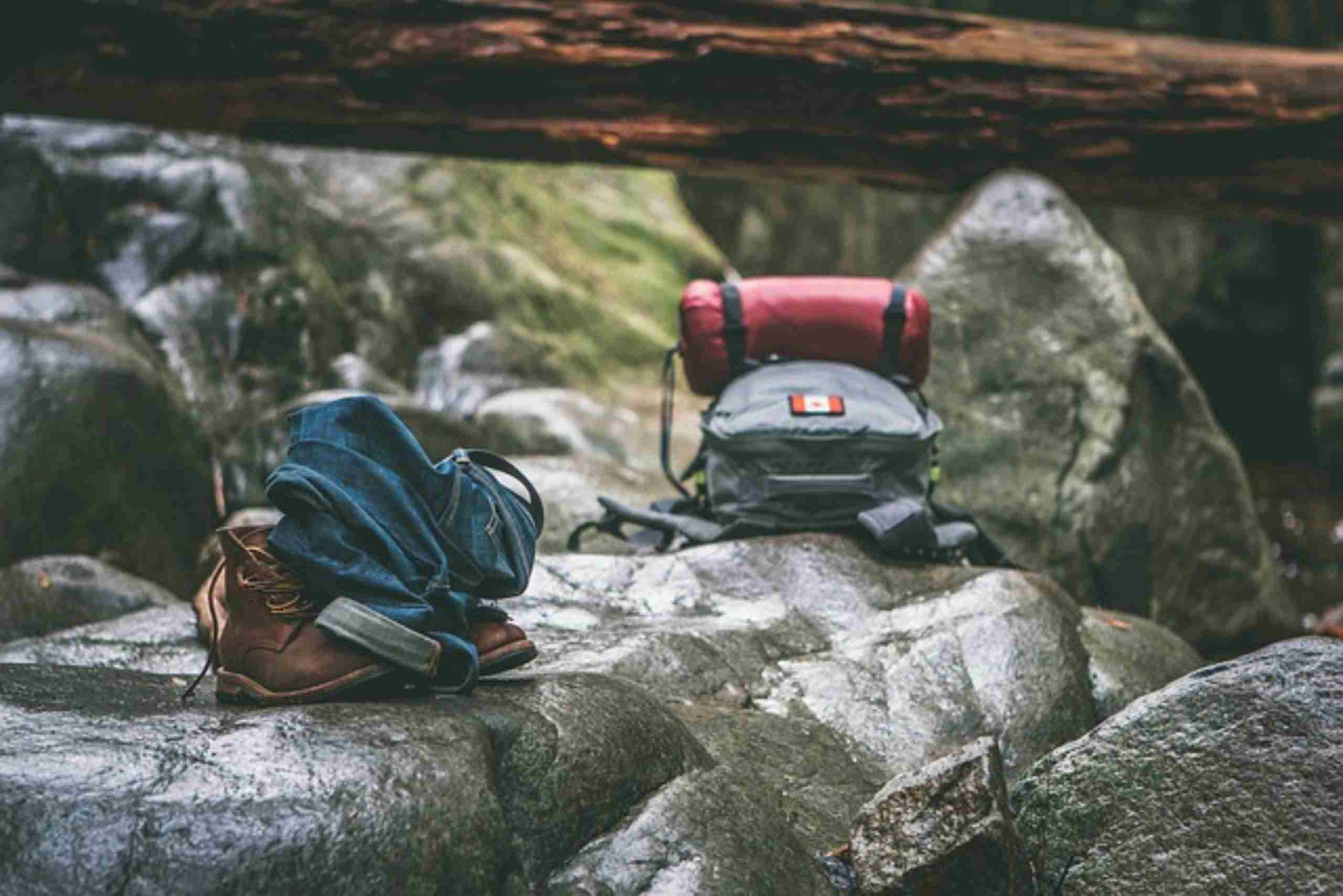
Image Source: Pixabay
Below are some must-have African hiking backpack essentials.
- Lightweight backpack (30-50L): Packing lightweight hiking gear in Africa is essential to enhance mobility and cover more distance in less time. Choose a lightweight backpack with padded straps and waterproof covers.
- Water bladder or hydration system: As a hiker, staying hydrated is critical to avoid fatigue or collapse on the trail.
David Sandbrook, a California-based member of Quora, shared in a discussion about hydration packs that using one is better than relying on water bottles, which can cause imbalance while moving. With a hydration pack, hikers can take frequent sips without breaking stride.
- Lightweight tent or bivvy: Easy to carry in your backpack. Due to its lightweight design, you can hike longer distances without being weighed down. It’s especially suitable for solo adventurers.
- Compact sleeping bag: Designed to protect hikers in various weather conditions. For lowland hikes to places like the Serengeti or Kruger National Park, opt for a lightweight, breathable sleeping bag to avoid overheating. Use a well-insulated, cold-rated sleeping bag in colder mountain regions to protect against nighttime temperatures.
The image below shows a compact sleeping bag for hikers.

Image Source: Canva
Note: If your next travel adventure involves hiking across various African terrains, contact Travelradio.live to help you navigate your travel plans.
Clothing Tips for African Hikers
While hiking in Africa, preparing an African hiking outfit that suits different weather conditions is imperative. Depending on your travel location and the season, whether you’re heading to extremely hot regions, humid areas, or cold mountain peaks, not selecting the right hiking clothes for Africa can make your experience miserable. Check out the list below for the best clothes for hiking in Africa.
- Breathable, moisture-wicking clothing: Damp clothing leads to discomfort. Wear breathable, moisture-wicking clothes to stay cool in hot weather and warm in cold conditions.
- Quick-dry hiking pants: Help you stay dry longer during hikes and offer weather resistance in various conditions.
In a tweet, Erin Holbert, an influencer on X, expressed her surprise at not having used waterproof hiking pants earlier while walking through fields, even as a farmer. She appreciated their comfort compared to wet jeans.
I have no idea how in all my years walking through fields I never thought to wear waterproof hiking pants so I’m not miserable in wet jeans all morning, but huge shoutout to @cropqueenmarcia for recommending these over on Instagram a while back! 🙌🏼 pic.twitter.com/FCWPBKiGaw
— Erin Holbert Bunch (@ErnHolbert) July 15, 2021- UV-protection hats: Don’t expose your face to harsh sun rays. A UV-protection hat helps shield your skin from damage during your adventures.
The image below shows sun protection hiking items including a hat, sunglasses, and UV cream.
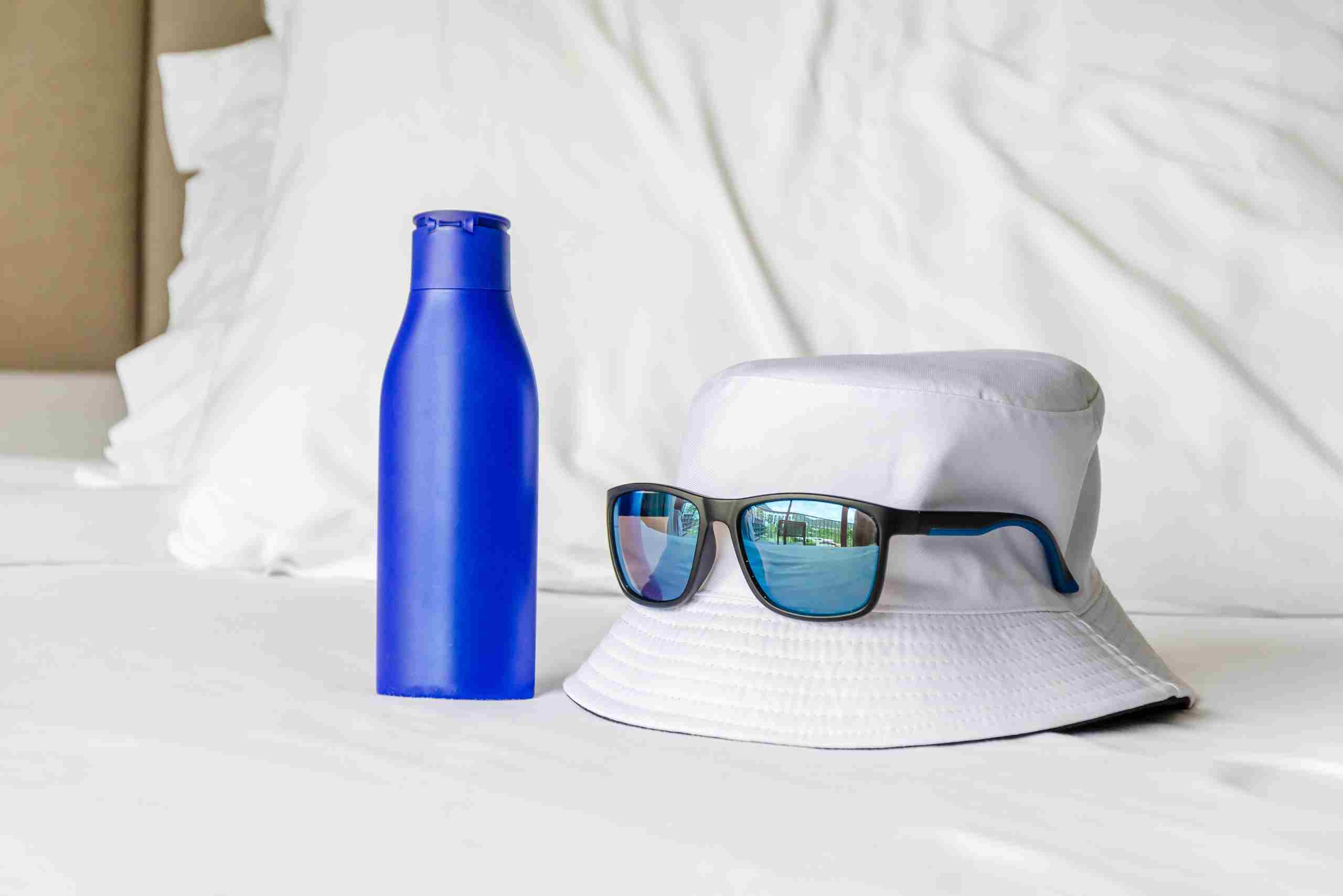
Image Source: Canva
- Waterproof jacket: A must-have for rainy regions facing stormy weather. A waterproof coat provides both warmth and comfort.
Note: Remote hikes require more than just gear; you need reliable local knowledge. Consult Travelradio.live to research regional safety and discover hidden gems across your desired destinations.
Must-Have Accessories and Safety Gear for African Treks
Oftentimes, travellers hike in remote areas in Africa. As a savvy traveller, getting survival gear for African hiking and African trekking accessories is essential to stay prepared for unexpected occurrences. Always double-check your African outdoor survival tips before heading out.
Below are the best hiking accessories Africa has to offer.
- Headlamp and extra batteries: Essential for night illumination or dark environments.
- Power bank: Preferably a solar-powered one to keep your devices charged in off-grid areas.
- Multi-tool: Opt for a tool with multiple functions, such as cutting, repairing, and opening, which is helpful for unplanned situations.
- Compact first aid kit: Crucial for addressing medical emergencies in isolated areas.
Scott Reisfield, a long-time hiker and hiking counsellor on Quora, advised hikers to always carry a first aid kit due to common hiking issues such as blisters. He also recommended taking an introductory first aid course, as hikers are often far from medical help.
Below is recommended survival gear for African hiking.
- GPS device or offline maps app: Helps you navigate and avoid getting lost in areas without mobile service.
- Satellite phone: Ensures emergency communication in remote regions.
- Water purification tablets: Kills bacteria and viruses in contaminated water sources, helping protect hikers.
- Emergency whistle: Useful for signalling for help in dangerous or distressing situations.
- Insect repellant: Protects against insects that pose health risks, especially in malaria-prone zones in Africa.
Conclusion
Trekking through the mountains of Ethiopia, navigating the rainforests of Uganda, or exploring the vast plains of Kenya, having the right African trekking gear and hiking clothes for Africa is essential. The unpredictable nature of the terrain and weather means you must come prepared with reliable gear.
Listen to Travelradio.live for more travel tips.
Also read: Unlimited Adventures in Africa: Discover Top Rarely Visited Destinations.