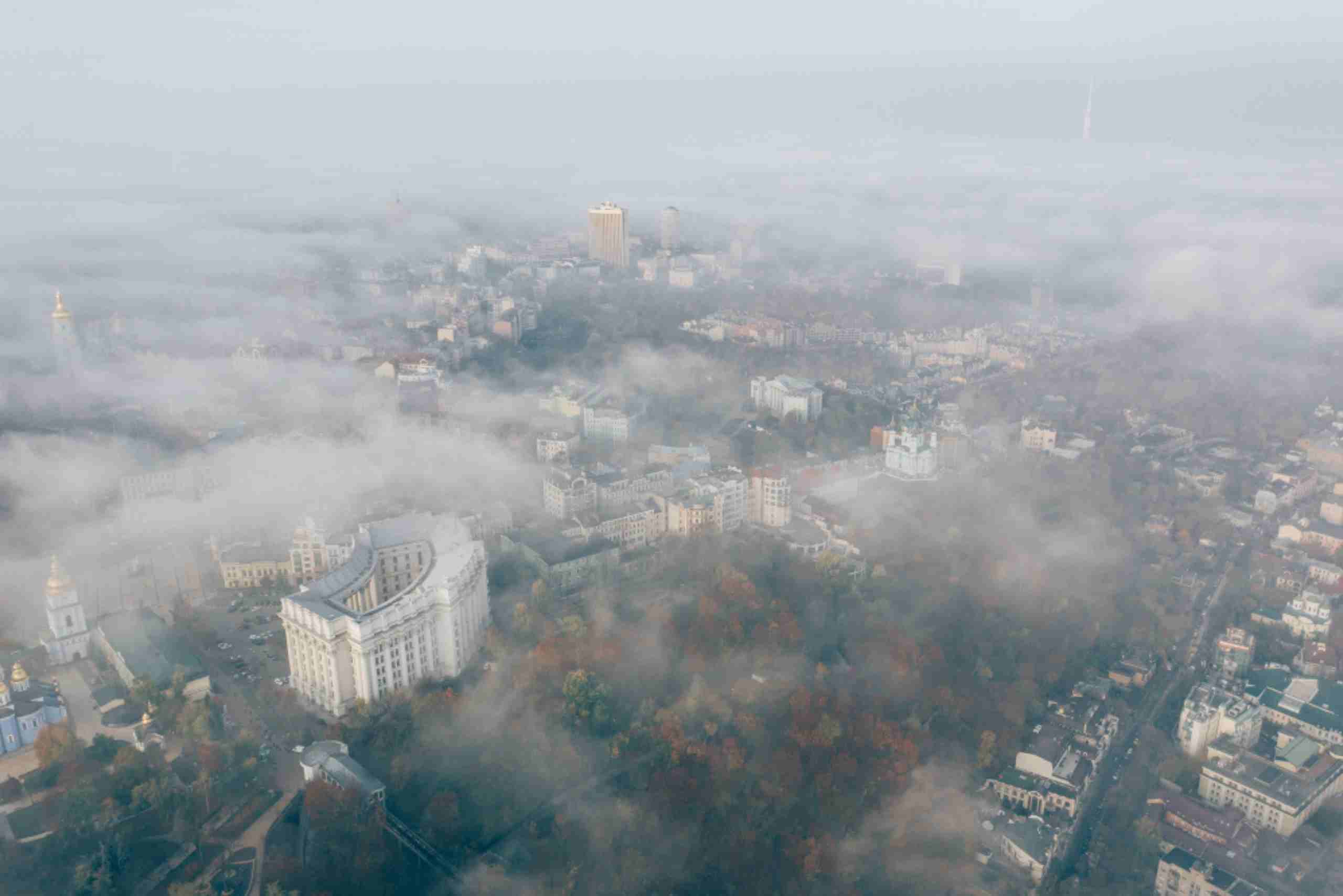
Climate change is ravaging the world, and it has affected so many sectors, not leaving behind the tourism industry. It is causing an alarming rise in temperature globally in some regions.
Imagine a rich tourist destination getting restricted because of the climate crisis, or having to leave a destination early because you can’t bear the heat.
Greece, a popular tourist destination, had to evaluate over 2000 holidaymakers after wildfires broke out on the island of Rhodes, according to an article by the World Economic Forum in 2023. Likewise, Athens had to close out their top tourist attraction after temperatures reached 46°c.
In this blog post, I’ll enlighten you much more on the effects of increasingly high temperatures and toxic air on you as a traveller.
The Dangerous Combo: What Is Toxic Air and Extreme Heat?
Extreme heat waves cause air pollution to rise, which has adverse effects on the human body. As temperatures rise, their effects include drought and wildfires, which increase particulate matter (PM2.5). Air pollution PM2.5 is a small particle that is dangerous to be exposed to. It is linked to diseases such as lung cancer, stroke, ischemic heart disease and more.
According to a report by the State of Global Air in 2020, about 9.14 million global deaths in 2019 were caused by ischemic heart disease, of which 20% were as a result of air pollution. Likewise, 2.04 million global deaths were linked to lung cancer, of which about 19% were caused by air pollution as well.
Gunweeb Jimmy on X, whose location is in Thailand, lamented bitterly about the worsening situation of PM2.5 as they can’t visibly see the road and or buildings by the side of the road.
The PM2.5 situation is worsen. We can't even visually see the road or buildings on the side….
The pollution is super bad. pic.twitter.com/XOmtXT66Tt
— Jimmy WeebShooter🍎🌸🧟♀️🔮🐱 (@GunweebJimmy) January 24, 2025Below are other things you need to know about heat waves.
- Heat waves and high PM2.5 pollution resulted in almost 700,000 premature deaths in the past 30 years. The majority of them are in the Global South.
- Heat also increases the concentration of ground-level ozone later, which will further increase mortality rates.
- Heat waves often worsen dehydration.
Climate Hotspots: Countries Tourists Should Watch Closely
Tourists should be careful and take extra precautions when visiting heat and pollution hotspots.
According to a study by GeoHealth and as reported by EOS, between 1999 and 2019, exposure to heat and PM2.5 pollutants during Hot and polluted episodes amounted to 694,440 premature deaths.
Research travel health risks by country before booking your flight.
Below is a list of the top countries with the highest mortality rates by the GeoHealth Study.
- India
- China
- Nigeria
- Bangladesh
- United States
- Russia
- Germany
- Japan
- Brazil
Abubakar, a Nigerian northerner, tweeted about a situation in Maiduguri, Nigeria, how temperatures soared to 45°C in Maiduguri. This prompted the fire service to spray cool water around the city’s Monday market square to help locals cope with the harsh weather. This reflects instances of heat in Nigeria.
Maiduguri 45°c . Fire Service in Maiduguri spreads cool water within Monday Market and it's environs to mitigate the harsh weather..🥵🥲 pic.twitter.com/XQcT6xZXMG
— Abu bakar (@abbkar_ai) April 7, 2024Note: If you are looking for the best tourism radio where you can get unfiltered travel news, TravelRadio.live is your best choice.
Health Risks: What Tourists Face in Heat-Polluted Zones
Tourists’ health and climate change are interconnected, as exposure to polluted cities can seriously impact your wellbeing. Tourists often face travel-related health risks because they are not usually used to the weather conditions of the environment they are heading to.
Vulnerable groups such as the elderly, pregnant women, children, asthmatic patients and others with existing health conditions are at high risk in heat and air-polluted areas. Toxic air and heat pollution can adversely affect pregnant women, such that it might lead to small gestational age birth, low birth weight, etc.
Below are some health effects and symptoms of heat and air pollution exposure.
- Headaches
- Fatigue
- Dehydration
- Respiratory distress
- Heat stroke
- Muscle cramps
- Aggravated asthma
This tweet by Luke Desci reinforces the invisible health toll of polluted hot regions.
There seems to be an invisible tax on our health and longevity.
After 5 years in Southeast Asia, I've become obsessed with air quality.
The WHO estimates air pollution causes 7 million premature deaths annually. In Thailand and Vietnam, PM2.5 levels regularly exceed safe limits by 5-10x during bad months.
These microscopic particles… pic.twitter.com/efBH76901T
— LUKΞ 🧪 (@lukedesci) February 25, 2025The image below captures a man wearing a nose mask, reacting to the polluted environment around him.

Image Source: Freepik
Red Flags to Look Out For Before Traveling
Before you travel, check the air quality index for travellers. Be on the lookout for heatwave warnings abroad.
Here are some signs you should look out for.
- Air quality index rating shouldn’t be above 100 for your destination city. It signals an unhealthy level of pollutants.
- Indoor air pollutants such as cooking and combustion sources.
- Visible mold contamination
- Limited green spaces
- Local reports of haze and smog.
Below are lists of tools to receive heat travel alerts for pollution
- IQAir
- AccuWeather
- AirVisual
The image below shows a particulate matter sensor used for monitoring air quality.
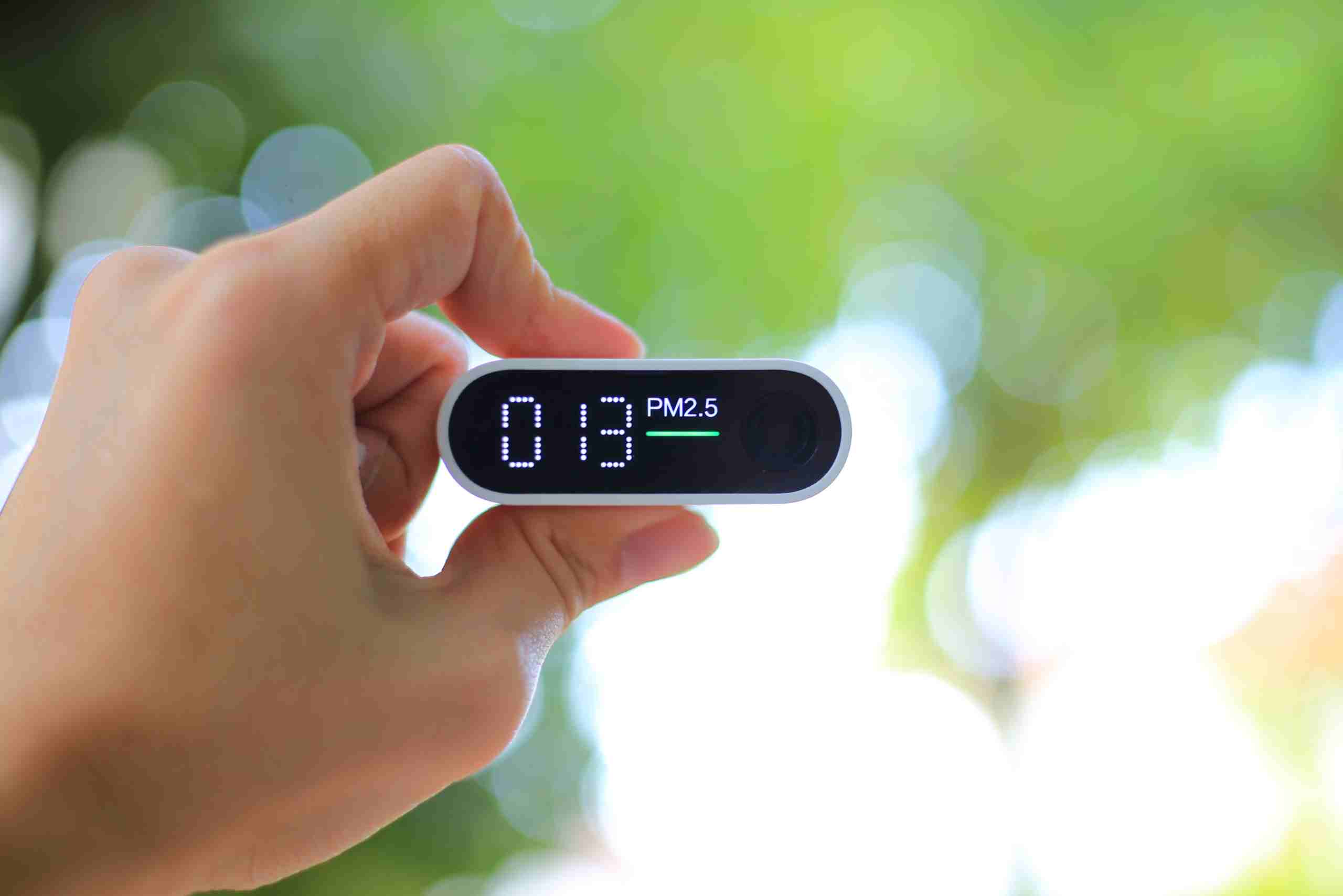
Image Source: Getty Images; Canva
Smart Tips for Staying Safe on Hot and Polluted Days
Staying safe on hot and polluted days is vital to your wellbeing. It’s essential you know and prioritise travel safety in the climate crisis in order to keep your health intact. Get the best gear for polluted air.
It is also essential to know that aside from tech solutions like purifiers, Natural landscapes like forests also serve as massive air filters. Studies reported by Mongabay show that the Brazilian Amazon can absorb 26,000 metric tons of PM2.5 annually. This further highlights that one of the smart ways is to prioritise eco-tourism in nature-rich regions.
Note: Check out insightful travel tips on TravelRadio.live travel blog.
The image below shows a lush green area depicting breathable spaces.

Below is a checklist for heat and pollution-proof travel essentials
- Wear lightweight, light-coloured and loosely fitted clothing.
- Stay indoors during the hottest times of the day, usually around 11 am to 3 pm.
- Plan physically draining activities for the early hours of the day.
- Keep yourself hydrated steadily.
- Get protective items such as hats and sunshades, and apply sun sunscreen on your face.
- Check the local weather forecast to know the expected hot periods.
- Do not keep children in cars.
- Switch on the air conditioning if available when you’re indoors.
- Take showers regularly.
- Visit air-conditioned buildings when your outdoor
- Stay more in green spaces.
- Get portable air purifiers.
Final Thoughts
Travelling safely is not only about security ensuring your visa, accommodation, and all other necessary itineraries are settled. It is also about yourself, keeping safe regardless of the climatic conditions of your destination.
As you plan your next trip, another itinerary you should take into consideration is the air quality index of where you are going. Monitor the weather and track the Air quality index. Ensure the choice you are settling for will positively impact your well-being.
Have you had any terrible experiences with the air quality of your travel destination at any point in your past? We would love to hear about your experience. Contact us, and let’s have you as one of our guests on the Wake and Wander show at TravelRadio.live.
Listen to insightful travel tips on TravelRadio.live.
Also Read: The Ultimate Egypt Adventure: What to Know Before You Go.