Warsaw, Poland – In a controversial move, Poland has temporarily suspended the right for migrants to claim asylum, citing national security concerns and claims that Russia is using migration as a geopolitical weapon.
Polish Prime Minister Donald Tusk announced the measure, which will remain in effect for up to 60 days, barring most asylum seekers from entering Poland. Exemptions will apply only to pregnant women, unaccompanied minors, the elderly, and those facing serious harm. The law is set to be enforced immediately.
Poland alleges that Belarus, under Russian influence, is deliberately directing migrants toward the Polish border as part of a “hybrid war” to destabilize the European Union. This claim follows a 2021 border crisis, when thousands of migrants, many from Africa and the Middle East, attempted to cross into Poland, prompting Warsaw to erect a 5-meter-high barbed wire fence.
A Dangerous Trend for African and Black Migrants
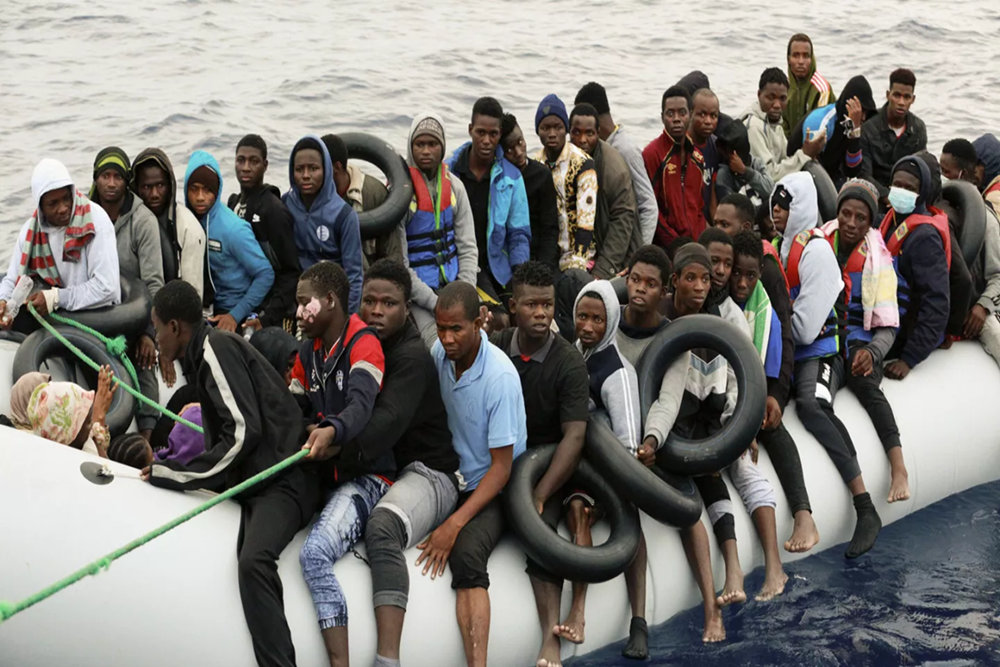
The move comes as multiple European nations tighten asylum policies, raising serious concerns for African migrants who rely on EU nations for safety and opportunity.
- Finland has blocked asylum seekers from entering via Russia since 2023, citing similar migration concerns.
- Germany’s incoming government has vowed to halt all irregular migration, further restricting routes into Europe.
Rights groups warn that these policies disproportionately impact African and Middle Eastern asylum seekers, who already face racial discrimination in Europe’s migration system. Human Rights Watch condemned Poland’s move, calling it a violation of EU and international asylum laws, and accused border authorities of forcing migrants back into Belarus using batons and pepper spray.
A Wider Shift in European Migration Policies
Prime Minister Tusk framed the asylum ban as a cultural protection measure, stating that “too many people of other cultures” threaten Polish identity. His remarks echo growing anti-immigrant rhetoric across Europe, where African and Black migrants are increasingly framed as an economic or security risk rather than individuals fleeing hardship.
With stricter migration laws sweeping across the EU, Black and African travelers must stay vigilant about shifting regulations, potential travel risks, and the growing hostility toward asylum seekers. As European borders become more restrictive, the need for diverse and fair representation in global migration discussions is more urgent than ever.