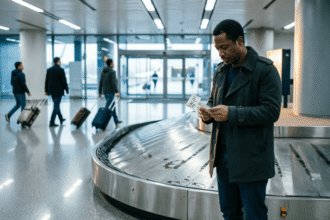
In an era characterized by an insatiable desire to explore, the frequency with which individuals traverse the globe has reached unprecedented levels. The allure of travel, traditionally considered a luxury reserved for the wealthy few, has become a universal dream.
From the stunning vistas of distant nations to the bustling streets of global cities, the question arises, how do people travel so much? Aside from the obvious concerns of money and time, a complex tapestry of methods, mindsets, and societal trends supports this globe-trotting existence.
However, this article reveals the secrets behind the wanderlust that motivates individuals to constantly seek new horizons by delving into the deep web of travel culture, financial preparation, altering job relationships, and a redefined perspective on experiences versus goods. So, keep reading.
10 Amazing Secrets Behind How Do People Travel So Much
Frequent travel often seems like an unattainable dream for many, yet numerous individuals traverse the globe regularly. Here are ten amazing secrets behind how people can indulge in extensive travel experiences:
1. Financial Planning and Budgeting
Prioritizing Travel in Budgets: Those who travel frequently often prioritize it financially. They set up money in a trip savings account and set aside a portion of their income for travel.
Smart Spending Habits: They are responsible for their finances, using budgeting tools and looking for cost-effective travel options such as airfare offers, hotel discounts, and off-peak season travel.
2. Flexible Work Arrangements
Remote Work Opportunities: Accepting remote work allows people to work while traveling and meet professional obligations from any location with an internet connection.
Flexible Schedules: Work schedule flexibility allows individuals to organize travels more effectively, taking advantage of extended weekends or gaps between work responsibilities.
3. Leveraging Travel Rewards and Loyalty Programs
Maximizing Reward Points: They use credit card incentives, frequent flier miles, and hotel loyalty programs strategically to obtain free or cheap travel rooms and flights.
Capitalizing on Deals: Constantly on the lookout for travel offers and promotions, they take advantage of loyalty programs offered by airlines, hotels, and travel agents.
4. Minimalist Lifestyle and Prioritizing Experiences
Valuing Experiences Over Possessions: Frequent travelers value experiences over material belongings, allocating their resources to travel rather than purchases.
Streamlined Possessions: Minimalism, or having fewer possessions, makes it easier to live a mobile lifestyle, allowing for impromptu travel chances.
5. Strategic Planning and Research
Thorough Research: Planning and research help travelers identify inexpensive accommodations, activities, and local suggestions that maximize the travel experience without breaking the bank.
Flexible Itineraries: They offer flexibility in their itinerary while intending to take advantage of unforeseen changes or last-minute modifications.
6. Cultural Exchange and Volunteerism
Volunteering or Working Abroad: Participating in volunteer programs or short-term work assignments abroad allows people to travel to new locations while also making a constructive contribution to their local communities.
7. Network and Community Connections
Networking for Travel: Building a network of travel-interested friends, connections, or online communities often leads to shared lodgings, local knowledge, and even travel companionship, lowering expenses and enriching experiences.
8. Resourcefulness and Adaptability
Adapting to Local Lifestyle: Embracing local cultures, learning the basics of the local language, and adapting to diverse lifestyles allow travelers to visit locations more authentically and cost-effectively.
Resourcefulness: Being resourceful and open-minded in exploring alternatives to expensive touristy options, preferring local transport, and discovering off-the-beaten-path hidden gems.
9. House-Swapping and Accommodation Alternatives:
House-Swapping and Home Rentals: Participating in house-swapping platforms or using home rental services like Airbnb allows travelers to dramatically reduce accommodation expenditures, often even staying in nearby neighborhoods at a fraction of hotel charges.
Couchsurfing and Hospitality Exchanges: Participating in Couchsurfing communities or hospitality exchanges allows travelers to stay for free with locals, promoting cultural exchange and lowering hotel costs.
10. Traveling Off the Beaten Path
Exploring Non-Touristy Destinations: Choosing lesser-known places or countries with lower costs of living allows travelers to stretch their budgets while seeing unique cultures and scenery.
Slow Travel Philosophy: Slow travel allows for a more economical and rewarding experience than a hasty plan spanning numerous places by remaining longer in one place and immersing oneself thoroughly in the local culture.
By utilizing these amazing strategies, travelers can further optimize their spending and embrace a deeper, more immersive travel experience while maintaining a sustainable travel lifestyle.
To Wrap Up
In the process of unraveling the secrets of frequent travel, it becomes clear that it is not only about financial capability; it is also about mentality, planning, and adaptability. The appeal of prolonged travel is not limited to a select few but is available to those who prioritize and organize their experiences properly.
From smart financial management and leveraging rewards to embracing remote work and valuing experiences over possessions, the journey to frequent travel involves a mosaic of strategies. It’s a monument to the changing environment of work, lifestyle options, and a deep appreciation for a wide range of experiences.
Lastly, frequent travel is a transforming adventure that broadens viewpoints, promotes connections, and enriches lives. Individuals can unlock the world by embracing the truths that have been revealed, weaving their narratives across nations and civilizations. However, we hope you found this blog informative, thank you.
Frequently Asked Questions- FAQs
1. Is frequent travel only feasible for people with high incomes?
No, not always. While having a large salary can make traveling easier, frequent travelers generally prioritize and budget for their experiences. Individuals of all income levels can travel widely thanks to careful financial preparation, the use of travel incentives, and the selection of cost-effective solutions.
2. How do frequent travelers manage to balance work and travel?
Frequent travelers like remote job options or have flexible schedules. With the rise of remote jobs and adaptive work arrangements, individuals can satisfy their professional responsibilities from anywhere in the world, allowing them to travel without jeopardizing their professions.
3. Are loyalty programs and travel rewards effective in reducing travel costs?
Absolutely. Travel rewards, frequent flier miles, and loyalty programs given by airlines, hotels, and credit cards all help you save money on your next trip. Strategic point collection and redemption frequently result in free flights, subsidized lodging, and other advantages, making travel more inexpensive.
4: Can anyone adopt a lifestyle that enables frequent travel?
Yes, with careful preparation and prioritization. Adopting a minimalist lifestyle, making travel a financial priority, and being resourceful in identifying affordable options for accommodations and activities will enable practically anyone to embrace a travel-friendly lifestyle. It frequently entails a shift in perspective, valuing experiences over material belongings, and seeking flexibility in employment arrangements.