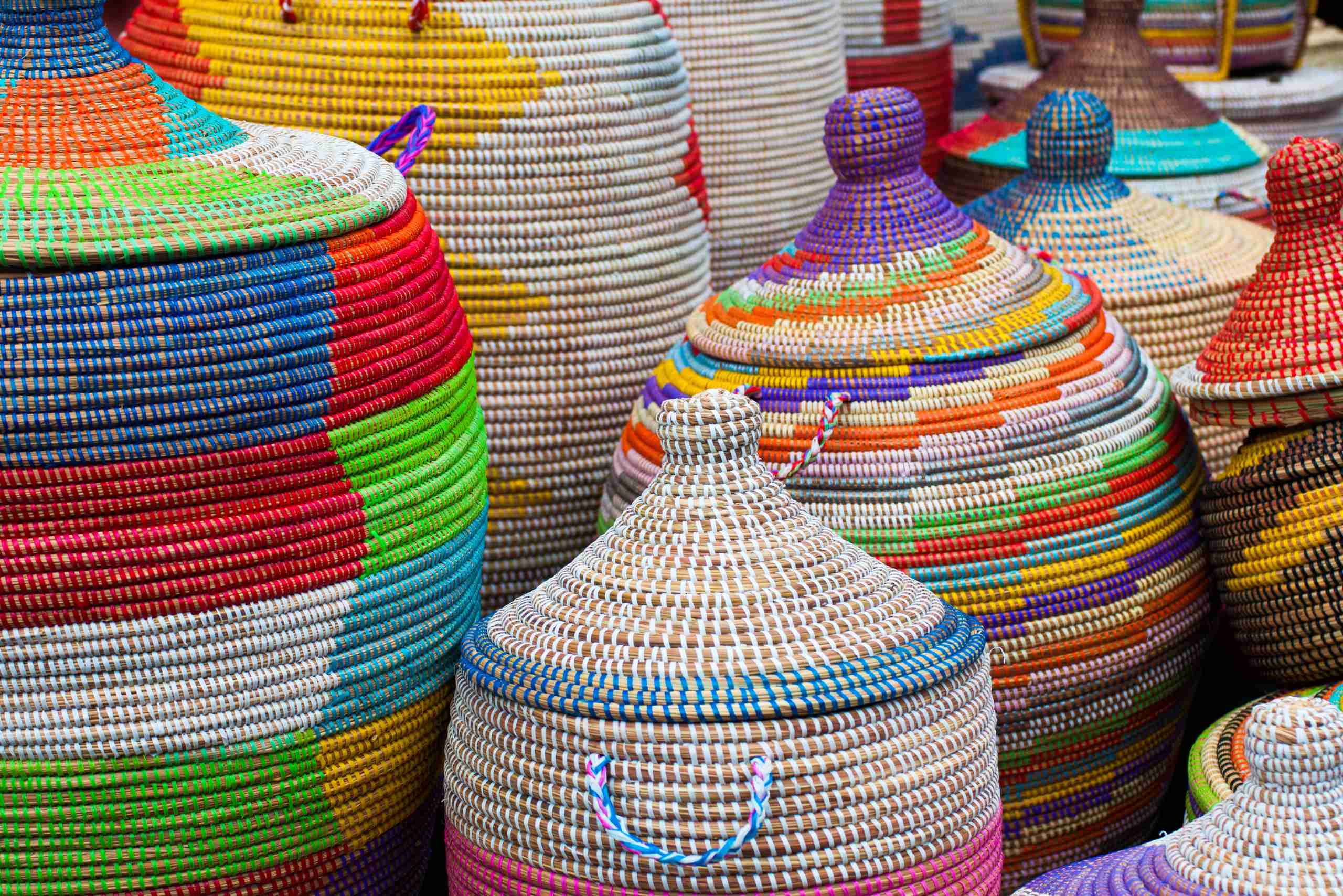
African crafts are one of the most beautiful things that genuinely define us Africans. Growing up, I remember visiting my grandparents in their village, and we would see how brick and clay were used to build houses that stood strong for years. But it was not only that; there were also the local clay pots they used to store drinking water. It felt amusing to me.
How could they have no means of refrigeration, yet the water we drank from those clay pots was always cool and refreshing? It made me appreciate the innovation, as local and simple as it may seem.
Not only that, there was basket weaving, beautifully designed materials, dyed clothes, and weaving of what is called Aso Ofi.
Today, I discovered that these crafts were not discarded because of civilisation. Instead, they evolved. They became sustainable materials, and people have brought modern creativity to them, even making them accepted by elites and non-elites today.
Pottery, Batik making: Crafts That Speak Our Story
Crafts in Africa are ways we celebrate our history and connect with nature. During my travels, I laid my hands on some African crafts, including pottery making, cloth design, and basket weaving. In this blog post, I’ll be sharing my personal experience with you on pottery and cloth making, as well as the places where I explored these traditional African arts.
Pottery creation in Lagos, Nigeria.
Pottery creation is the process of forming objects with clay. Pottery-making intrigued me because I saw how it could be transformed into beautiful decorative pieces, and I was like, wow, I gotta try this. I found two places in Lagos, Nigeria, which I’ll share before I end this section.
Pottery making reminded me of my childhood when we used to play with clay just for fun. It was soothing then. That was what I realised again as an adult who intentionally drove herself to a clay art studio. It is humbling. It brought calmness to my soul because I was able to pour my imagination into creating something with my own hands. No wonder we couldn’t stop playing with clay as kids.
I visited Idris Clay (Clay of Lagos) and Cera Cerni’s art hub in Lagos, and it was definitely a relaxing pottery experience.
I learnt a few lessons from the process of creating pottery from Idris Clay.
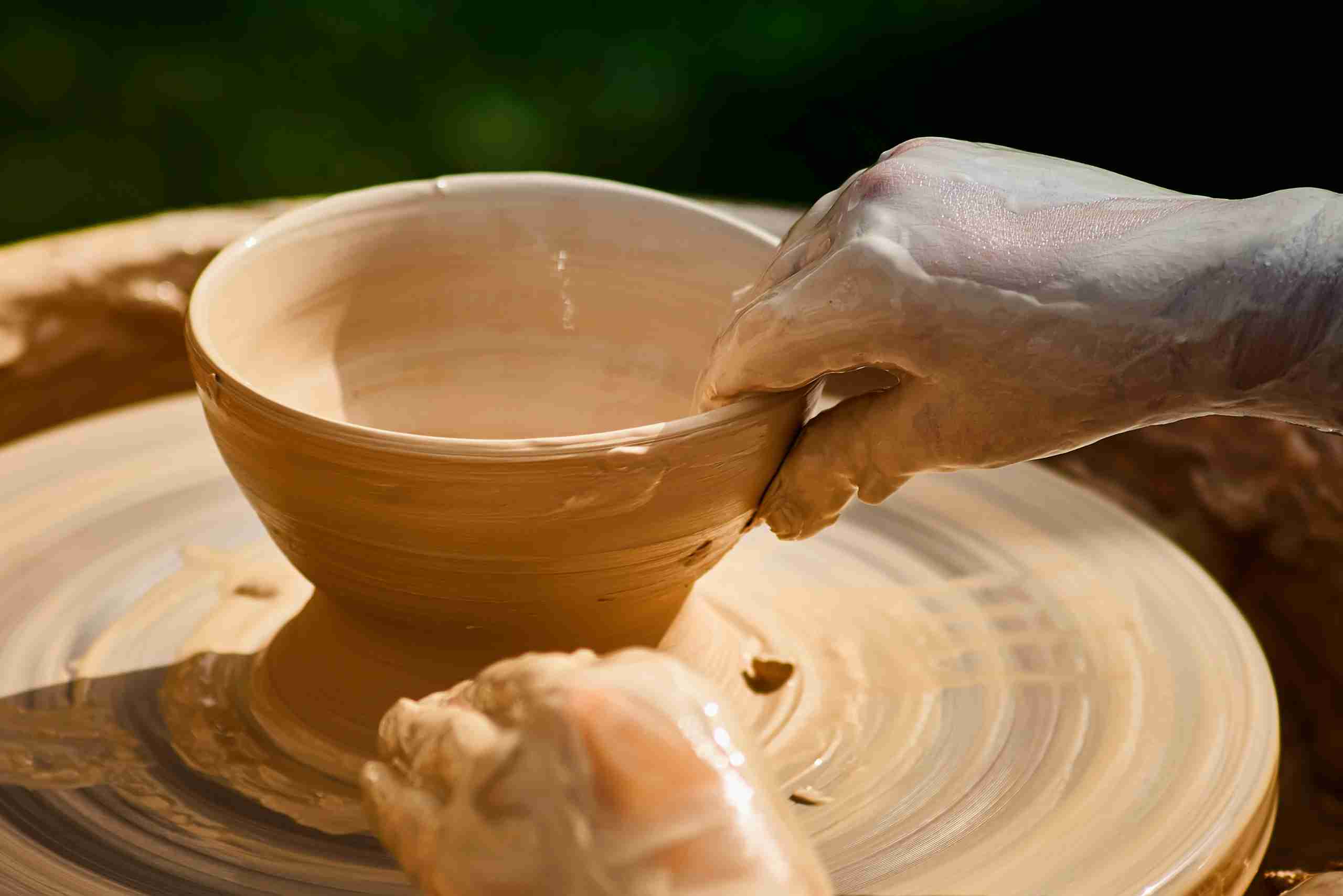
Image Source: Canva: Pexels
Batik making in West Africa
Batik is a traditional textile technique that involves applying hot wax to create design patterns on fabric. The waxed parts become dye-resistant when the fabric is soaked in dye. This process embodies decades of African textile-making methods.
I had the opportunity to learn and practice from experts with numerous years of experience at a Batik dye workshop. Different wax stamps are used for creating designs, and I made different designs on the fabric with the wax stamps. I was further guided to create the mix of colours I wanted on the fabric. Afterwards, I took the waxed fabric into the dye pit.
What about the designs I made on it? You might wonder if the dye wouldn’t cover the design. Nope. That was the essence of the wax stamps. The dye would not be able to penetrate the waxed parts.
After the fabric had fully absorbed the dye colour, it was taken out and stirred in hot water to remove the wax. I went ahead and rinsed it in cold water, dried the cloth, and voila, I had my fabric.
It was exciting; I felt I was doing something that connected me to my African roots.
You may visit Ngande Textiles in Ghana and Nike Art Gallery in Workshop in Osogbo, Nigeria, for hands-on African experiences.
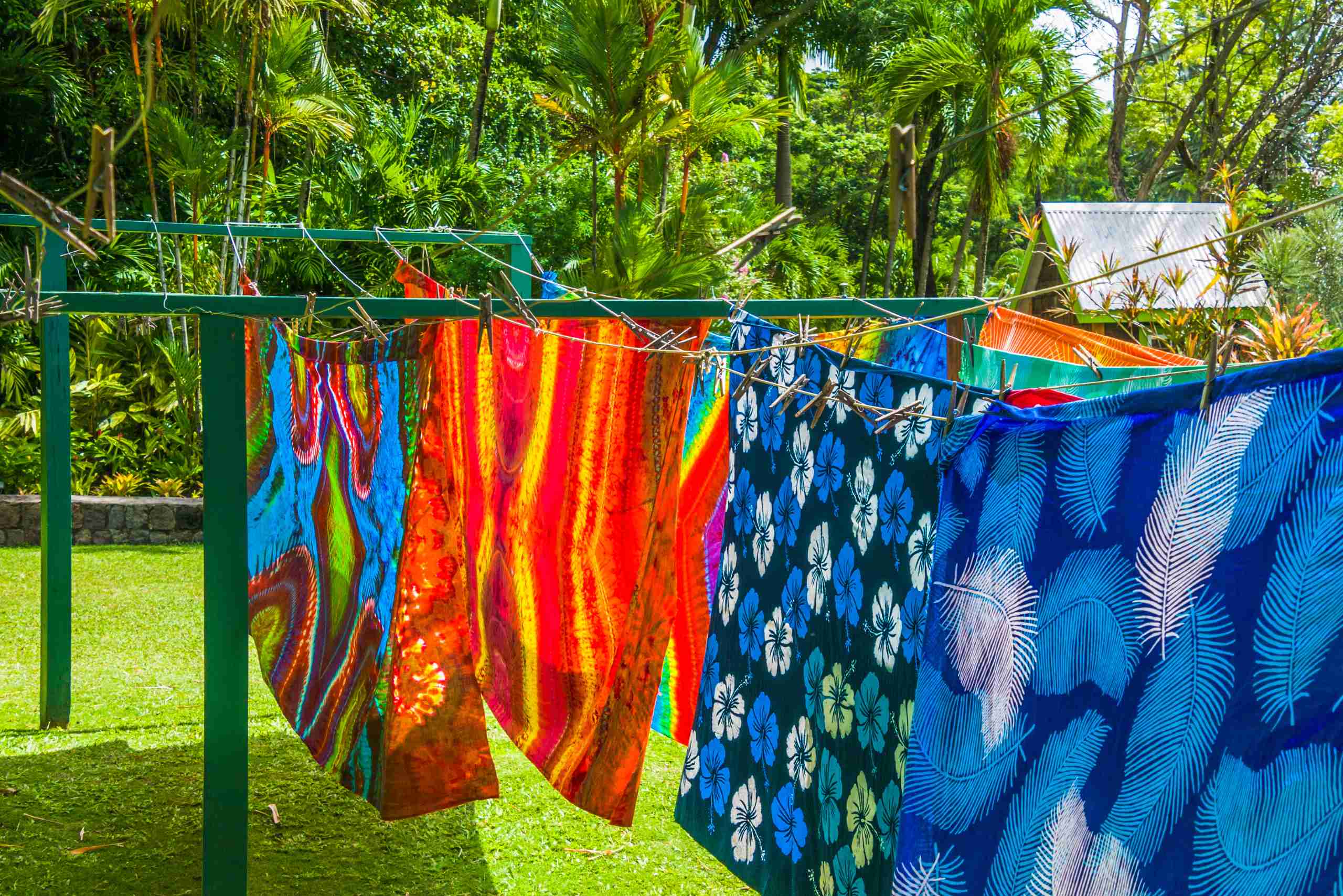
Image Source: Canva: Getty Images
Final Thoughts
African crafts are a deep connection to our heritage and sense of identity. They are proof that we’ve always been rich in innovation and beauty, even before modern tools and technology. Modern tools and technology have only amplified our creativity.
Which of the African crafts I discussed above fascinates you the most? Or which one are you willing to try first? Let me know in the comments below.
Get up-to-date travel news from TravelRadio.live.