Climbing Mount Kilimanjaro isn’t just about standing on Africa’s highest peak. It’s about the journey, the lessons, and the unexpected ways it stirs creativity. At 5,895 meters, Kilimanjaro is the tallest free-standing mountain in the world, but what makes it truly special is how the experience changes you.
For some people, climbing Kilimanjaro becomes more than just a physical challenge. It sparks fresh ideas, new perspectives, and creative breakthroughs. Let’s take a closer look at why this journey is so inspiring.
Why Kilimanjaro Feels Different
Mount Kilimanjaro sits in Tanzania, surrounded by wild savannahs and lush rainforests. Unlike many famous peaks, you don’t need advanced climbing skills or ropes to reach the top. It’s a trek! That means almost anyone with determination and preparation can attempt it.
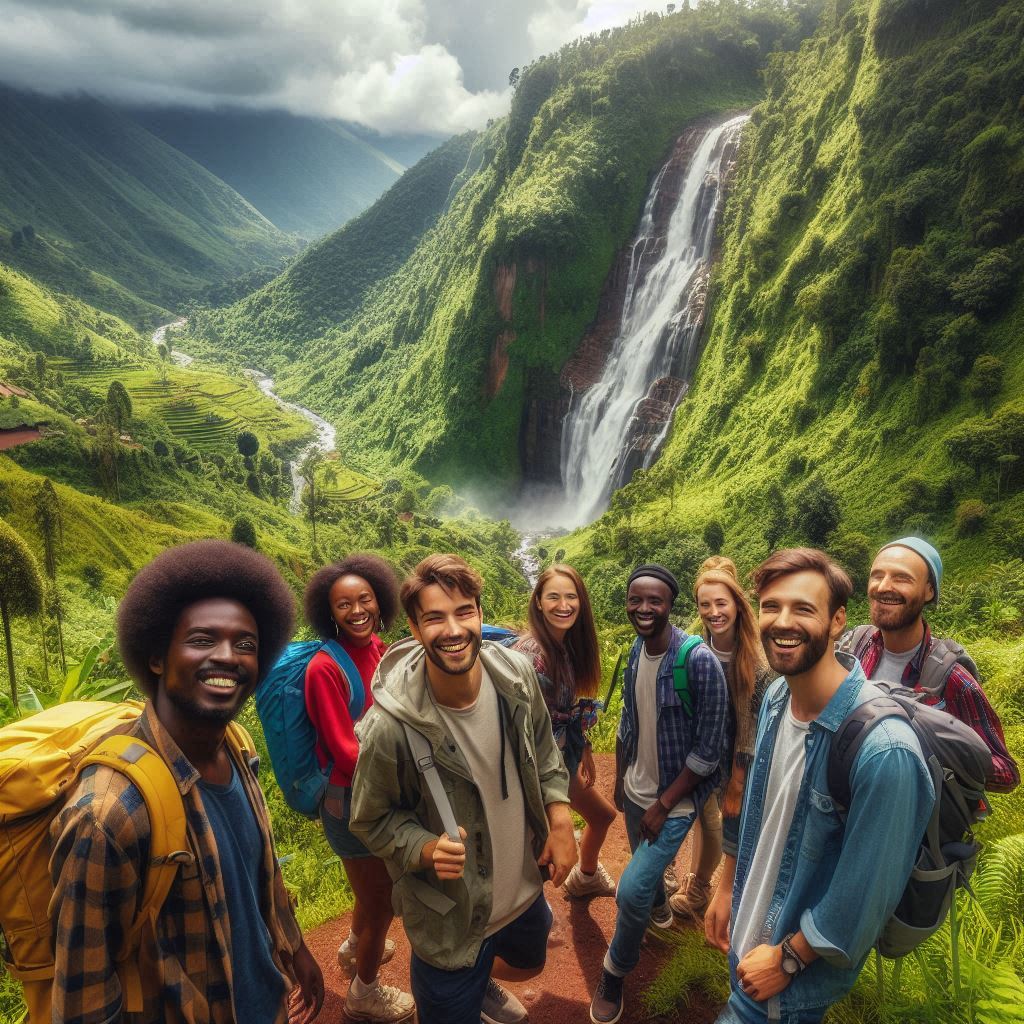
What makes Kilimanjaro stand out is its diversity. In a single climb, you’ll pass through tropical forests, moorlands, alpine deserts, and finally, icy glaciers. It feels like moving through different worlds.
| ⚠️ Disclaimer: This article does not provide any legal advice. Before embarking on the Mount Kilimanjaro journey, we encourage you to check with the local laws to learn about any action that may lead to deportation or fines. |
How the Kilimanjaro Climb Sparks Creativity
Being on the mountain is one of the best moments to relieve yourself from daily distractions. You are free from the city noise. It’s just you, nature, and the steady rhythm of your footsteps. That quietness can definitely help clear your mental space, for ideas to flow.
It’s almost as if every step upward the Kilimanjaro helps unlock a new layer of thought. Many writers, artists, and even business leaders return from Kilimanjaro with fresh energy for their projects.
What does Kilimanjaro teach a traveller?
Climbing Kilimanjaro isn’t easy. You’ll face long hours of walking, unpredictable weather, and the real challenge of altitude. But it’s often in these struggles that creativity blooms.
- Mountain climbing teaches patience: You learn that big goals aren’t achieved in one leap, but in steady, consistent steps.
- Mountain climbing teaches resilience: Pushing through exhaustion mirrors the persistence needed for creative work.
- Mountain climbing teaches adaptability: Sometimes the route changes or conditions shift, and you must adjust, just like when a new idea takes you in an unexpected direction.
Will I climb Kilimanjaro alone?
People rarely climb Mount Kilimanjaro alone. There are guides, porters, and fellow climbers from all over the world. In fact, Tanzanian law requires that trekkers accompany a licensed guide. The guide must also be affiliated with a registered tour operator.
Creativity often thrives when people come together, exchange ideas, and see the world through different lenses. On Kilimanjaro, teamwork and shared experience is another level of inspiration.
Bringing the Inspiration Home
The best part of climbing Kilimanjaro is that the inspiration doesn’t stay on the mountain. It follows you home. Many climbers use the lessons and energy from the climb in their daily lives:
- Keeping a journal of the climb to fuel storytelling or reflection.
- Turning the stunning landscapes into sketches, paintings, or photography projects.
- Using the patience and determination from the journey as fuel for work, art, or personal goals.
What should I take along to climb Mount Kilimanjaro?
Below is a list of clothing items, foods, health and safety tools, and gear you can take along for your journey:
- Waterproof footwear
- Non-cotton base tops
- Jackets for warmth
- Energy snacks
- Personal first aid kit
- Headwear like a sun hat
- Lightweight t-shirts
- Lightweight liner gloves for warmth
- Basic toiletries (hand sanitiser, toilet paper, etc.)
- SPF sunscreen
- Trekking pants
- A camera to record memories
- Essential documents like your passport
Final Thoughts
Climbing Kilimanjaro is about the journey, the lessons, and how it opens your mind. From the quiet trails to the summit sunrise, every step can spark ideas, stories, and creativity. If you’re searching for inspiration, whether in art, work, or life, Kilimanjaro is a reminder that sometimes the best ideas come when we step outside our comfort zone.
Have any other questions about this highest mountain in Africa, or want to share your experience? Kindly reach out to us via email or telephone. You can also drop a comment at the bottom of the article.
FAQs
1. Why is Kilimanjaro called the “Roof of Africa”?
Kilimanjaro is sometimes called the Roof of Africa because it’s the highest mountain on the African continent at 5,895 meters above sea level.
2. Do you need to be an expert climber?
No. Kilimanjaro is a trekking mountain, not a technical climb, so beginners with enough preparation can do it.
3. What kinds of landscapes do you see on Kilimanjaro?
The landscapes on Kilimanjaro include rainforests, moorlands, alpine deserts, and even glaciers near the summit.
4. What’s the most inspiring part of the climb?
Some climbers say reaching the summit at sunrise is the most powerful moment. Why don’t you also try it out yourself to discover if there’s any other special part for you?
5. How long does the Kilimanjaro climb take?
Usually 5 to 9 days, depending on the route and acclimatisation.
Read Next: Revealing Westeros: Game of Thrones’ Locations You Need to Visit