Angola is rapidly rewriting its global image with bold tourism reforms, visa-free access, and breathtaking destinations. Here’s how it affects travelers, tourism industries, and the future of African exploration.
Why This Matters Now
As of 2025, Angola has launched sweeping travel reforms including visa-free entry for several nationalities. Major luxury and nature-based tourism projects are now operational, marking a turning point for international travelers and investors.
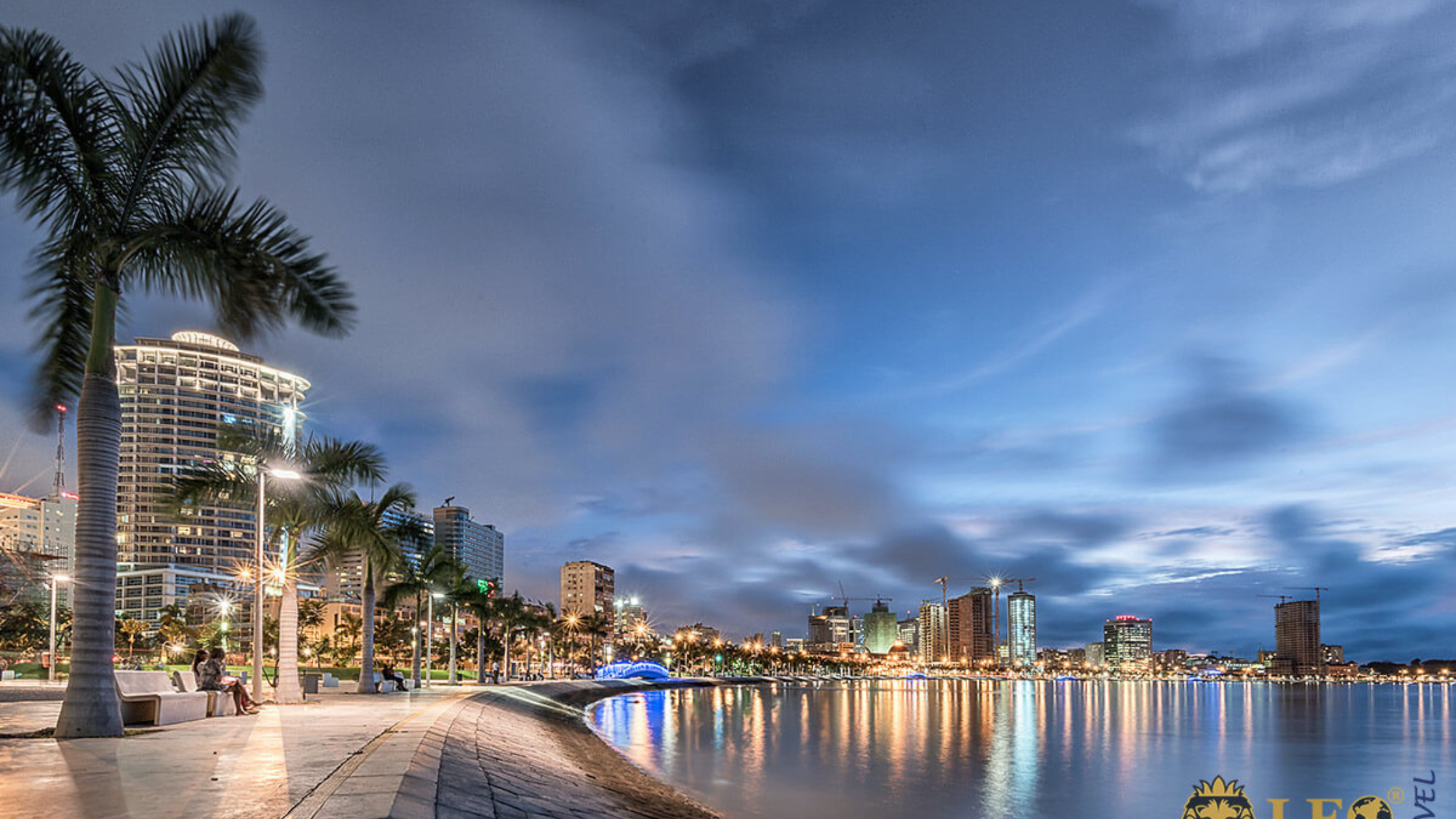
Centered around Luanda, Cabo Ledo, Miradouro da Lua, and Lobito, Angola’s coastal and inland marvels are now within easier reach. The country is fast becoming a must-watch destination for UK, EU, and diaspora African travelers looking for authenticity beyond the beaten path.
Related News:
Lobito Rail Corridor Set to Unlock African Tourism, Trade Routes, And Diaspora Access
U.S. Backing of Lobito Corridor Could Reshape Travel and Trade for Africa
Cultural & Political Shift
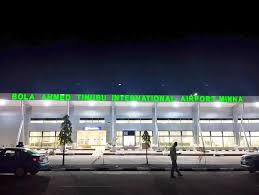
Angola has replaced military guards at airports with friendly “Tourism Ambassadors”, signaling a welcoming posture. Post-conflict, post-oil-boom Angola is embracing tourism as a path to economic resilience, diversity, and global reintegration.
From Oil Rigs to Surfboards
Once known for oil wealth and conflict, Angola is pivoting to surf culture, photo-worthy cliff bars, and train safaris. This rare economic transformation makes it one of Africa’s most unique travel stories.
Locals like surf instructor Feliesiano in Cabo Ledo are gaining livelihoods while providing tourists with genuine, memorable experiences. The transformation is not just about policy; it’s about people and pride.
Angola is gaining buzz on travel forums, TikTok, and Instagram for its untouched beauty, and #AngolaTravel is climbing in use. The rise in cruise dockings and luxury train arrivals is positioning it alongside Namibia and South Africa in high-end tourism circuits.
- Visa-free reforms + public-private investment projects = increased travel accessibility.
- Strategic focus on infrastructure, hospitality training, and site development marks real movement beyond rhetoric.
While potential is high, Angola still lacks sufficient hotels, roads, and trained staff in many areas. Continued dependency on oil revenue could slow long-term tourism investment unless balanced by sustainable development.
Angola isn’t just open, it’s inviting. Whether you’re chasing Atlantic waves, luxury rail adventures, or undiscovered landscapes, Angola is emerging as Africa’s new frontier. A country once closed by conflict now beckons the world with arms open, and a passport stamp waiting.