A cultural misunderstanding in South Africa’s Eastern Cape has triggered protests, drawn diplomatic attention, and highlighted the fragile relationship between diaspora communities and local traditional authorities.
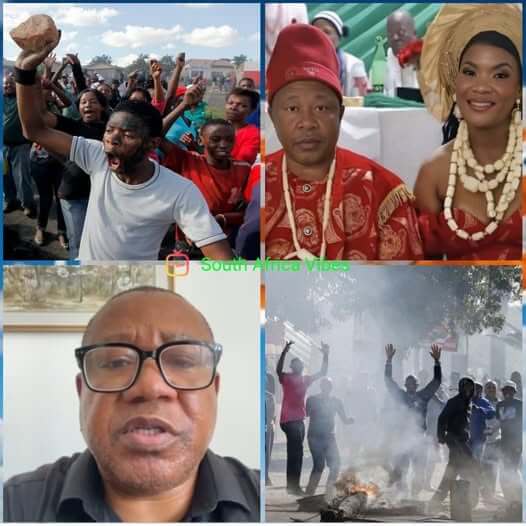
At the centre of the controversy is Solomon Ogbonna Eziko, a Nigerian national active within the Igbo community. He has publicly denied claims of being crowned a traditional ruler following backlash over an event held on March 14, 2026, in KuGompo.
Images and videos from the gathering circulated widely on social media, leading many to believe the event was a coronation ceremony installing him as Igwe Ndigbo a title often interpreted as “Igbo king.”
That interpretation lit a fuse.
Protests Erupt, Violence Follows
By the following Monday, protests had broken out across the area. Demonstrators, including local traditional leaders and residents, accused foreign nationals of undermining South Africa’s sovereignty and established cultural systems.
Tensions escalated rapidly. Vehicles were set ablaze, a building was torched, and police deployed stun grenades to disperse crowds and restore order.
READ ALSO: Nigeria Targets Diaspora Investment With Global Summit in Toronto
What began as a cultural event quickly spiralled into a public order crisis.
Eziko Issues Clarification and Apology
In a statement released, Eziko moved to contain the fallout.
He stated clearly that he was never crowned a king and holds no royal title. Instead, he explained that the gathering marked his appointment as a senior elder within the Association of Igbo Chapter in the Eastern Cape—a role limited strictly to community leadership among Nigerians.
He acknowledged the confusion and expressed regret.
“There was no intention to disrespect South Africa, its laws, or its traditional leadership structures,” he said, appealing for calm and understanding.
Diplomatic Channels Activated
The situation quickly outgrew its local roots.
South African authorities engaged the Nigerian High Commission, leading to a high-level meeting in Pretoria. As reported both sides used the platform to de-escalate tensions and reaffirm commitments to peaceful coexistence.
The message from both governments was clear: keep it diplomatic, keep it calm.
Nigeria–South Africa Relations Under the Spotlight
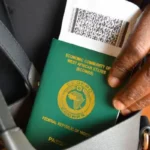
Nigeria and South Africa share deep historical ties, dating back to anti-apartheid solidarity, and maintain strong economic links today. Thousands of Nigerians live and work across South Africa in sectors like trade, hospitality, and services.
But this incident shows how fast things can go sideways when cultural lines blur.
Experts in migration and regional integration, including insights from the African Union and frameworks like the African Continental Free Trade Area (AfCFTA), have long warned that increased mobility must be matched with cultural awareness.
This is the gap that just got exposed.
Travel, Diaspora, and Perception Risks
For Nigerian travellers and the wider West African diaspora, the incident briefly cast a shadow. South Africa remains one of the continent’s top destinations offering attractions from the Garden Route to wildlife reserves in the Eastern Cape—but perception matters.
One viral misunderstanding nearly disrupted that narrative.
The swift apology and diplomatic response, however, helped stabilise confidence and prevent wider fallout.
A Lesson in Cultural Intelligence
The takeaway is simple, but heavy: culture travels, but it doesn’t override.
Diaspora communities are being urged to engage respectfully with host traditions while expressing their own identity in ways that don’t create friction. South African authorities, on their part, have condemned the violence and called for dialogue over confrontation.

The Nigerian High Commission reinforced that stance, stressing that citizens abroad must respect local laws and traditional systems.
What Happens Next
Eziko’s clarification appears to have cooled immediate tensions, but the aftertaste remains.
Both Nigerian and South African stakeholders now have a choice—treat this as a one-off flare-up or use it as a case study in managing diaspora relations better.
Because zoom out for a second this wasn’t really about one man or one event.
It was about perception, identity, and the thin line between cultural pride and cultural collision.
And in a continent pushing for deeper integration, that line is only going to get thinner.