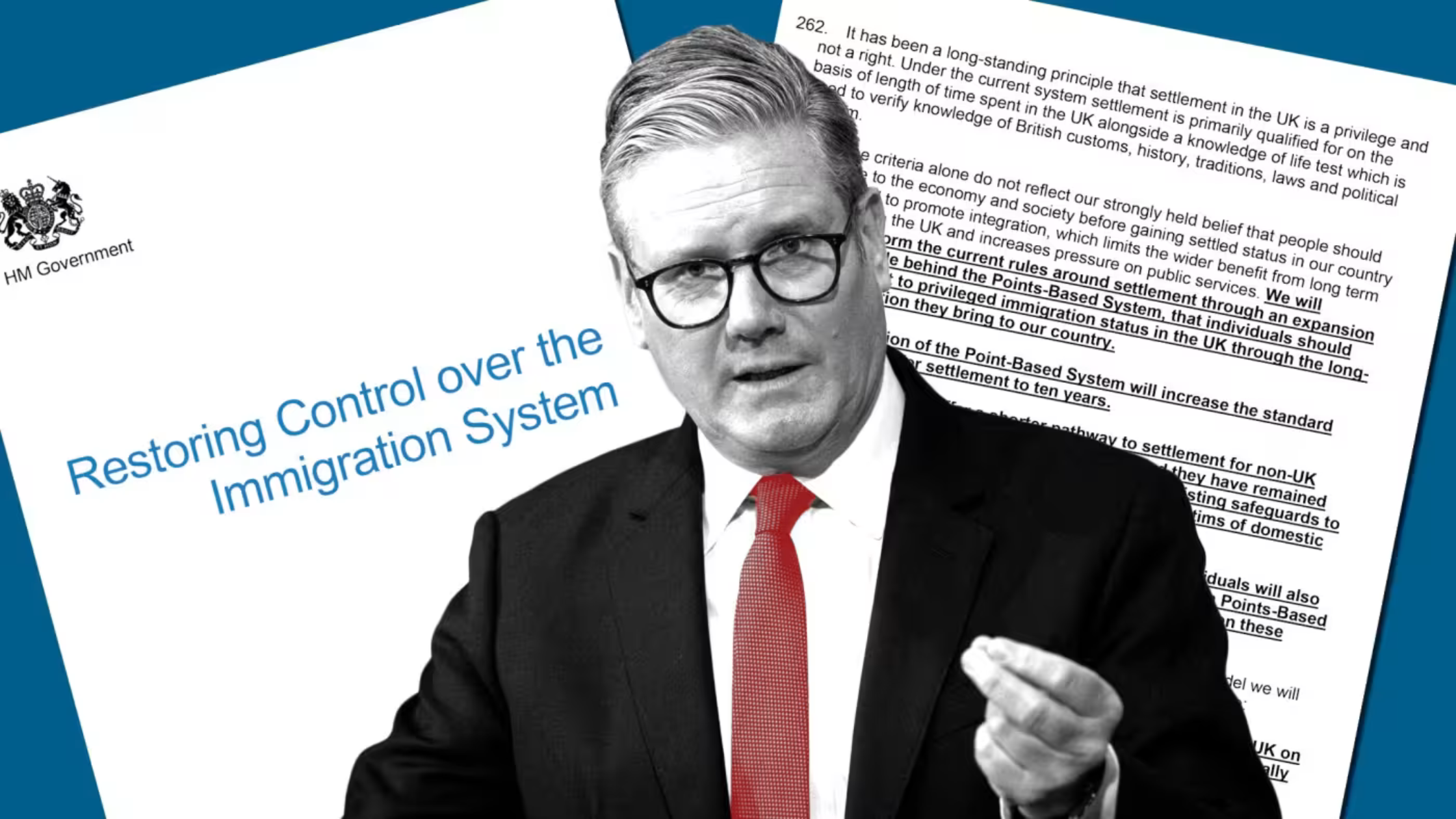
London, UK – In a significant development for travelers and migrants, recent discussions on Travel Radio Live’s morning show ‘Passport to Business‘ have shed light on the evolving landscape of UK immigration. With growing concerns about undocumented individuals and the complexities of visa policies, immigration expert Mr. Cyprian Amgba offered crucial insights into potential pathways for those who have overstayed their visas and for those seeking lawful residence. This timely discussion aims to cut through the confusion, offering clarity and hope to countless individuals and, by extension, impacting international travel patterns and cultural exchange.
The conversation on Travel Radio Live underscored a critical shift in UK immigration, emphasizing experience over academic qualifications. This surprising revelation directly challenges the long-held belief that advanced degrees guarantee professional success or easier pathways to settlement in the UK. Mr. Amgba highlighted a striking example of a highly qualified digital programmer from Nigeria with multiple degrees, including a master’s and PhD, who was refused a Skilled Worker visa due to a lack of practical skills during her interview. This case serves as a stark reminder for international students and skilled workers: practical experience and demonstrable skills are paramount for UK employment and visa success.
New Routes for Overstayers: Dispelling Myths and Offering Hope
For individuals who have overstayed their visas, Mr. Amgba detailed several routes to potential lawful residence, moving beyond the strict “leave the UK” mandate. These options, while challenging, offer a glimmer of hope:
- The 20-Year Private Life Route: This avenue allows individuals who have resided in the UK unlawfully for 20 years or more to apply for a two-and-a-half-year leave to remain. This pathway ultimately leads to settlement after a total of 30 years (20 unlawful, 10 lawful). This policy reflects a nuanced approach to long-term undocumented residents, acknowledging their established lives in the UK.
- Family Life Exceptions (Children as a Catalyst): A significant exception arises for overstayers with British or settled partners who have a child born in the UK. The presence of a British child can be a basis for an exceptional grant of two-and-a-half years’ leave to remain, due to the need for both parents to care for the child. This also extends to situations where an overstayer is actively involved in the life of their partner’s child (under 18), even if not their biological offspring. This policy aims to keep families together, directly impacting travel decisions for those considering returning home or remaining in the UK.
- The “Young Adult” Rule (Aged 18-24): Individuals aged 18 to 24 who have spent more than half their life in the UK (e.g., 11 years and one day for a 22-year-old) may be eligible for leave to remain, even if they have overstayed. This rule recognizes the deep roots young people can establish in the UK, offering them a chance to regularize their status and contribute to society.
- Asylum Claims (When Return is Unsafe): For those from countries experiencing conflict, persecution, or with laws that endanger specific groups (e.g., LGBTQ+ individuals in Uganda), an asylum claim remains a viable option. This provides a critical safety net for travelers and migrants facing genuine threats in their home countries, influencing travel patterns from affected regions.
Implications for Global Travel and Tourism: A Ripple Effect
These discussions carry significant implications for the travel and tourism sectors:
- Shifting Traveler Behavior: The emphasis on practical skills over academic qualifications for UK visas could influence the aspirations of potential international students and skilled workers, potentially shifting their focus from purely academic pursuits to vocational training or direct work experience before considering UK migration. This might lead to more targeted and skill-based travel for work and study.
- Increased Scrutiny and Education: The detailed breakdown of immigration pathways and the warnings against scams highlight the need for enhanced education for potential travelers. Travel agencies and educational consultants must ensure their clients are fully aware of visa requirements and post-arrival regulations to avoid overstaying and its severe consequences. This could lead to a demand for more comprehensive pre-travel advisories.
- Impact on Cultural Exchange: Policies that facilitate family reunification or offer pathways for long-term residents, even those who initially overstayed, can foster richer cultural exchange within the UK. As individuals regularize their status, they are more likely to integrate fully, contribute economically, and share their heritage, enriching the diverse fabric of British society and influencing long-term tourism trends.
- Safety and Accessibility: While the rules provide pathways, the underlying message is clear: unlawful overstaying carries significant risks, including detention and removal. This could deter some from attempting to enter the UK with an intent to overstay, making travel safer and more predictable for legitimate visitors. The discussion also touches upon the bio-chip technology in passports and its role in tracking immigration history, a crucial point for international travelers to understand.
- Economic Impact: When individuals transition from undocumented to legal residents, they can contribute formally to the UK economy through taxes and skilled labor, potentially boosting various sectors, including tourism, as their purchasing power and stability increase.
Staying Informed: The Key to a Smooth Journey
The dialogue on Travel Radio Live serves as a crucial public service, empowering individuals with knowledge to make informed decisions about their travel and migration to the UK. As global events and policies continue to evolve, staying updated on immigration rules is not just a matter of compliance but a key to unlocking genuine opportunities and ensuring a safe, enriching travel experience.
What are your thoughts on how these evolving immigration policies might change the way people plan their international travel? Share your insights!