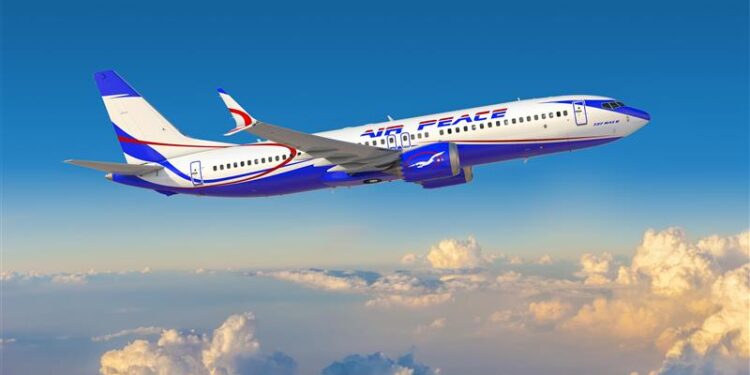
West African Passengers of Nigerian airline Air Peace can now fly from Freetown and Monrovia to Dubai via Accra.
In a statement made via its X handle, Air Peace said this development will ensure flawless movement of passengers from the selected West African coastal cities to the Middle East.
“In line with our partnership with Emirates, travel from Freetown and Monrovia to Dubai via Accra.
“This service links you effortlessly from West Africa to one of the world’s most iconic destinations.
“From business ambitions to well-earned getaways, this connection brings you closer to global opportunities with the comfort, reliability, and service you trust.”
Significance
Air connectivity has long been West Africa’s weak link, and that gap has quietly cost the region tourism revenue, business efficiency, and global relevance.
The decision by Air Peace to operate a route linking Freetown and Monrovia to Dubai via Accra is a direct response to that structural gap. For years, passengers from Sierra Leone and Liberia have relied on long-haul detours through Europe or multiple African connections to reach the Middle East.
READ ALSO: Air Peace Debunks UKCAA’s Alleged Safety Violations
This new routing cuts through that inefficiency, reducing travel time and lowering costs, while giving travellers a more predictable and regionally anchored option.
From a commercial standpoint, the route is a strategic play.
Dubai is a global hub linking Africa to Asia, Europe, and the wider Middle East.
By positioning Accra as a transit point, Air Peace is effectively building a West African aviation bridge that connects smaller economies into a larger global network.
Business
This matters for trade, especially for small and medium-scale businesses that depend on quick movement between markets.
It also strengthens intra-African aviation cooperation, with Ghana emerging as a connector hub while Nigeria expands its airline footprint across the region.
The tourism upside is immediate and long-term.
Easier access means more movement—diaspora travelers returning home, Gulf tourists exploring new destinations, and West Africans plugging into global travel circuits.
Seasonal peaks tied to festivals, holidays, and business travel are likely to see stronger numbers as barriers drop. In practical terms, this route is doing more than moving passengers.
It is unlocking demand that has been sitting dormant.
For a region often sidelined in global aviation networks, this is a step toward relevance, visibility, and economic flow that actually connects.