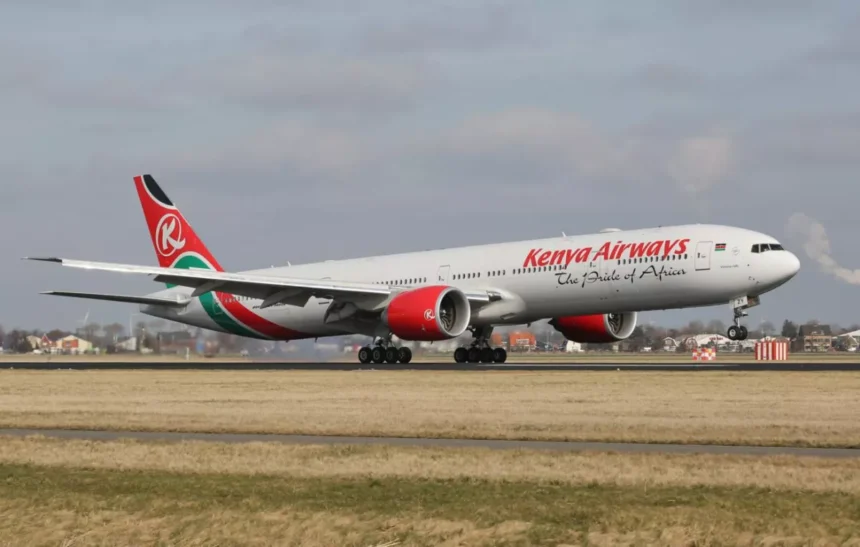
Kenya Airways has recorded an unprecedented surge in passenger demand, with seat occupancy reaching 99 percent on selected routes following widespread disruption to aviation corridors across the Middle East.
The development marks one of the most significant demand shifts in the airline’s recent operational history.
The Nairobi-based national carrier has attributed the spike to a sustained redirection of international passenger traffic away from Gulf transit hubs, as ongoing geopolitical tensions continue to restrict airspace access and force route suspensions across the region.
Read Also: Air Seychelles Launches Paris Nonstop From March 20
Load Factors
Acting Chief Executive Officer George Kamal confirmed that load factors climbed from approximately 70 percent at the start of the year to near-capacity levels following a sharp increase in bookings after February.
The surge in demand is directly attributable to deteriorating security conditions across key aviation corridors in the Middle East.
Tensions involving Iran, the United States, and Israel have significantly disrupted the global aviation sector, compelling numerous carriers to reroute flights, avoid restricted airspaces, and in several cases suspend services to affected destinations entirely.
The cumulative effect of these disruptions has substantially reduced the number of viable routing options available to international travellers.
Passengers previously transiting through Gulf hubs are now seeking alternative connections and Kenya Airways’ network has emerged as a primary beneficiary of that redirection.
Routes connecting Africa to Europe, the United States, and Asia have recorded particularly strong demand, with Jomo Kenyatta International Airport in Nairobi increasingly positioned as an attractive alternative hub for passengers who would ordinarily have connected through Gulf airports.
Implications
Industry analysts have noted that Kenya Airways’ experience is consistent with broader trends affecting carriers operating outside conflict-affected zones, though few have reported load factors approaching the levels currently recorded on Kenya Airways services.
The current situation underscores the strategic importance of African aviation hubs within the global transport network.
As traditional routing options face sustained disruption, the continent’s carriers and airports have demonstrated the capacity to absorb substantial additional traffic volumes while maintaining service quality standards.
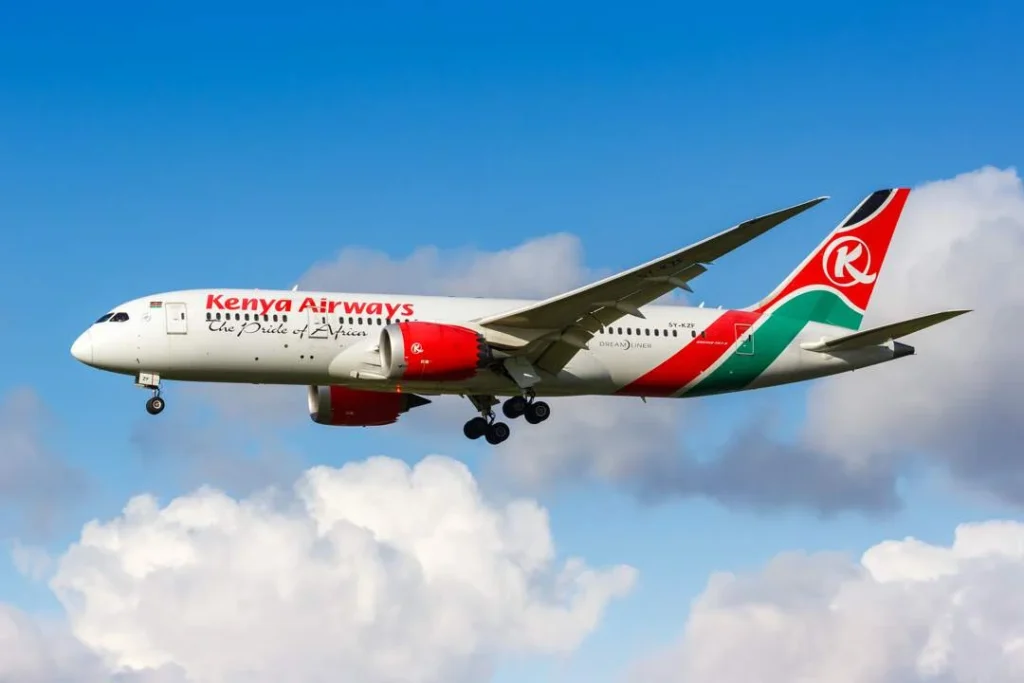
Nairobi’s enhanced connectivity to major global destinations presents new opportunities for packaging African travel experiences alongside international journeys in configurations that may not have been commercially viable under previous routing conditions.
For African travel professionals, the implications are immediate and actionable. New passenger flows are entering the continent through Nairobi. New routing habits are forming.
The window to build lasting commercial relationships around these newly established travel patterns is open and the industry would do well to move decisively while the opportunity remains.
Kenya Airways has confirmed that further schedule additions and capacity updates will be communicated through official channels as the situation continues to develop.