As the African Union celebrates its 20th anniversary, it’s time to remember the event that set the stage for the continent’s modern political landscape – the Berlin Conference of 1884-1885.
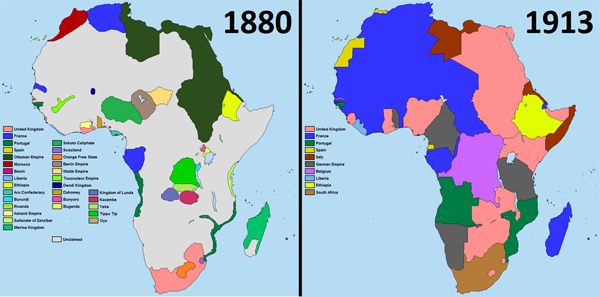
The Berlin Conference was a pivotal moment in African history, where European powers divided the continent without consulting any African leaders. This led to arbitrary borders, conflicts, and a legacy of colonialism that still affects Africa today.
Imagine your homeland being carved up by strangers, without your input or consent. This is what happened to Africa, and the scars still linger. It’s time to acknowledge the past and work towards a more united and empowered Africa.
Get ready for a history lesson like no other! We’re diving into the fascinating and infuriating story of the Berlin Conference. Buckle up, because this is a wild ride that will leave you wondering how the world was shaped by a bunch of European guys in a room.
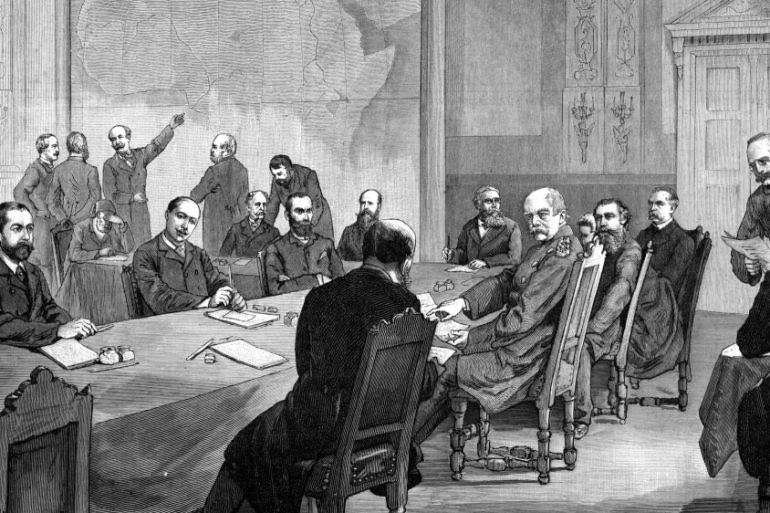
In 1884, European powers gathered in Berlin to divvy up the continent of Africa like a pie. No African leaders were invited, because, well, they didn’t matter. This meeting, dubbed the Berlin Conference, was a turning point in African history, setting the stage for colonialism, conflict, and the modern political landscape
Fast forward to today, and we see the legacy of the Berlin Conference playing out in the 54 African nations, each with their own unique struggles and triumphs. But how did we get here? Let’s dive into the fascinating and infuriating story of how Europe carved up Africa without a care in the world.
At the Berlin Conference, European powers like Germany, France, Britain, and Belgium decided to avoid conflicts among themselves by dividing Africa into spheres of influence. They drew arbitrary borders, ignoring existing ethnic and cultural boundaries. It was like a game of Risk, but with real people and real consequences.
The Scramble for Africa was on, and the continent was plunged into chaos. African leaders were left to pick up the pieces, trying to make sense of the artificial borders and imposed colonial rule. The legacy of this conference still affects Africa today, from the Congo’s ongoing conflicts to the artificial borders that separate families and communities.
Aliko Dangote, Africa’s richest man and a prominent business leader, has recently spoken out about the challenges he faces traveling within Africa. Despite his wealth and influence, Dangote requires up to 38 visas to access all 54 African countries, a cumbersome and time-consuming process that hinders his ability to do business and invest in the continent.
Dangote’s struggles are not unique; many African business leaders and travelers face similar challenges due to the arbitrary borders and restrictive visa policies imposed by European powers during the Berlin Conference. This legacy of colonialism continues to hinder economic growth, integration, and development in Africa.
“I believe that intra-Africa trade is the way to go, and we need to remove all the barriers and borders that are hindering our growth and development. As a businessman, I know that if I can travel easily and do business easily across Africa, it will create more jobs, more wealth, and more prosperity for all Africans.” – Aliko Dangote

The ease of travel and trade within Africa would boost economic growth, create jobs, and increase economic integration. However, the current visa restrictions and border controls make it difficult for Africans to move freely within their own continent.
It’s time for Africans to step up and fight against this legacy of colonialism. We need to:
– Advocate for a more integrated and united Africa
– Push for more flexible visa policies and border controls
– Support initiatives like the African Continental Free Trade Area (AfCFTA)
– Encourage African leaders to prioritize economic integration and development
Let’s work together to create a more prosperous and united Africa, where business leaders like Dangote can travel and invest freely, and where all Africans can enjoy the benefits of economic growth and development.
But here’s the thing: Africa is rising. The African Union is celebrating its 20th anniversary, and there’s a new generation of leaders who are determined to reclaim their continent’s destiny. It’s time to acknowledge the past, learn from it, and move forward with a united and empowered Africa.
So, the next time you hear someone say “Africa is a country,” you can set them straight. Africa is a continent, with 54 nations, over 2,000 languages, and a rich cultural heritage that’s been shaped by history, resilience, and determination.
OTHER BLOGS: Taylor Swift’s Eras Tour could Boost Europe’s Economy more than America’s, Experts Predicts
The Berlin Conference may have divided Africa, but it can’t define it. That’s up to the Africans themselves, and it’s time to celebrate their triumphs, acknowledge their struggles, and join the journey towards a more united and empowered Africa.