A viral travel headline about Spain visa-free African countries can cost somebody real money.
Over the past few weeks, readers across Africa have been told that Spain is making visa-free policies to open visa-free travel to ordinary passport holders from Botswana, Namibia, Eswatini, Lesotho, Mauritius, Seychelles, Cabo Verde and Rwanda. The reports regarding Spain visa-free African countries promise stays of up to 90 days in Spain and free movement across the wider Schengen Area.
It is the sort of news that makes people check fares to Madrid before they finish the article. There is one problem with that news story. As of 14 August 2026, the claim about Spain visa-free African countries does not match EU law or Spain’s own consular instructions.
Hence, the verdict is false.
What Does the Official Record Say About Spain Visa-Free African Countries?
The short-stay visa policy is shared across the 29 Schengen countries. Spain does not keep a separate ordinary-passport waiver list for some African countries that can quietly unlock France, Germany, Italy, Portugal and the other members. The European Commission says all 29 countries apply the same short-stay Spain Schengen visa requirements.
The controlling law is Regulation (EU) 2018/1806. Annex I lists countries whose nationals need a visa. Annex II lists those whose nationals are exempt for visits of no more than 90 days in any 180 days.
Only two countries in the viral eight are in Annex II: Mauritius and Seychelles. They already had Schengen visa-free status, so this is not a new Spanish concession for 2026 regarding Spain visa-free African countries.
The other six are in Annex I:
- Botswana
- Namibia
- Eswatini
- Lesotho
- Cabo Verde, often called Cape Verde in English-language reports
- Rwanda
Spain’s own embassy in Windhoek makes the position unusually plain. Its Schengen visa page for Namibia and Botswana tells applicants to submit passports, insurance, financial records and biometrics. It also states the standard adult fee of €90. That is not how a Spain visa-free African countries visa waiver is administered.
Cabo Verde does have an EU visa-facilitation agreement. Facilitation can mean simpler documents, reduced fees for some applicants or faster procedures. It does not mean that every ordinary passport holder may board a flight without a visa.
How the Viral Spain Visa-Free African Countries Report Became Continental News
The claim appeared in Travel and Tour World and was repeated by outlets including The Zambian Observer. Neither report points readers to a Spanish decree, an amendment to the EU regulation or a consular notice creating the alleged Spain visa-free African countries waiver.
That missing primary document should have stopped publication.
The wording also contains its own warning. Spain was said to be “aligning” with France, Italy, Portugal and Germany. These countries already follow the same Schengen visa list. A policy covering the whole area would require EU action and a public legal trail. It would not arrive as a Spain-only travel update.
Travel news gets copied quickly because the audience is ready for good news. For African travellers, visa information carries extra emotional weight. One repost becomes ten articles, then a WhatsApp graphic, then advice from a friend who sounds certain. By the time the correction arrives, somebody may have paid a non-refundable fare.
The Inequality Behind the False Spain Visa-Free African Countries Headline is Real
Correcting the story should not become an excuse to wave away the anger it triggered. The anger is earned.
The EU’s latest full-year figures cover applications lodged in 2025. They show a global Schengen refusal rate of 14.6%. The rate was 47.9% for applications filed in Nigeria, 46.5% in Ghana, 33.1% in Kenya and 34% in Ethiopia. South Africa’s rate was much lower at 5.3%, yet South African ordinary passport holders still need a visa before travelling.
These figures are based on the country where an application was lodged, rather than the applicant’s citizenship in every case. Even with that caveat, the gap is hard to ignore. A Nigerian applicant pays the same non-refundable €90 base fee while facing a refusal rate more than three times the global average. The full cost rises once insurance, transport to an application centre, travel eSIMs like Airalo or Yesim, and service charges are added. Travel Radio Live’s 2026 Spain Schengen visa requirements guide for Nigerians explains how quickly the bill can pass the headline fee.
This is the two-speed travel system our readers know well. A Mauritian or Seychellois traveller can plan a short European trip around flights and accommodation. A traveller in Lagos, Accra or Nairobi must first plan around appointment slots, bank statements, biometrics and the chance of losing the application fee.
Travel Radio Live has written before about passport privilege and the burden carried by Black travellers. The same divide appears inside Africa. Nationality can determine whether a conference invitation becomes a journey or an apology email.
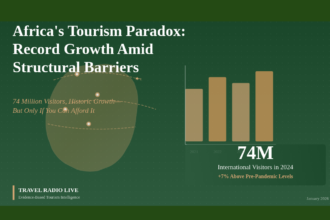
Low refusal rates alone do not produce a waiver. EU decisions also consider irregular migration, security, reciprocity, human rights, trade and diplomatic relations. Still, a system that welcomes African tourism money while putting many African customers through costly, uncertain screening deserves scrutiny. Our wider report on Africa’s tourism growth and its structural barriers shows how often mobility policy works against the market it claims to support.
Europe and African Governments Both Have Work to Do on Spain Schengen Visa Requirements
The EU should publish visa requirements in a format ordinary travellers can search by passport, trip length and purpose. Asking the public to interpret annexes and scattered embassy pages leaves room for bad information to thrive.
European governments should also explain what measurable steps can lead a visa-required African country towards facilitation and, eventually, exemption. If lower overstay rates, document security or readmission agreements matter, set out the benchmarks. Quiet discretion feeds suspicion.
African governments have responsibilities too. They should report visa negotiations publicly, improve passport security where weaknesses exist and press for fairer mobility terms in trade and diplomatic talks. Citizens should be able to see what their government has requested, what Europe has demanded and where talks have stalled.
Newsrooms need a simpler rule: no “Spain visa-free African countries confirmed” headline without a link to the government notice or legal instrument that changed the rule.
Spain Schengen Visa Requirements: What Travellers Should Do Now
Mauritian and Seychellois ordinary passport holders remain visa-exempt for short Schengen visits, subject to the 90-days-in-180 rule and normal border checks. You can easily book tours on Viator or read reviews on Tripadvisor. Visa-free entry is never an automatic right of admission.
Ordinary passport holders from Botswana, Namibia, Eswatini, Lesotho, Cabo Verde and Rwanda should continue to check the relevant Spanish consulate and apply for a Schengen visa when required. Nigerians, Ghanaians, Kenyans, South Africans and most other African travellers also remain under the standard visa process. Nigerian readers can use Travel Radio Live’s current Spain Schengen visa requirements guide before making bookings for hotels on Agoda or flights on Trip.com.
A boarding gate is a terrible place to discover that a headline was fiction. Check the law before paying for the ticket. Then keep asking why the law remains so unequal.
Frequently Asked Questions About Spain Visa-Free African Countries
Is Spain visa-free for African countries in 2026?
No, Spain has not granted blanket visa-free access to ordinary passport holders from Botswana, Namibia, Eswatini, Lesotho, Cabo Verde, or Rwanda. Mauritius and Seychelles already enjoy Schengen visa-free status, but the rest must apply for a standard visa.
Which African countries have Schengen visa-free access?
Currently, only Mauritius and Seychelles are on the EU’s Annex II list, granting their ordinary passport holders visa-free access to Spain and the wider Schengen Area for up to 90 days within a 180-day period.
How much does a Spain Schengen visa cost for African applicants?
The standard adult base fee for a Schengen visa is €90. However, the total cost is higher when you factor in mandatory travel insurance, biometrics, transport to the application centre, and travel connectivity like eSIMs.
Can I travel to other Schengen countries with a Spain visa?
Yes. A short-stay Schengen visa issued by Spain allows you to travel freely across all 29 Schengen member states, provided Spain was your main destination or first point of entry.
Sources Checked for Spain Schengen Visa Requirements
- European Commission: EU visa policy
- Travels and Tours World
- EUR-Lex: consolidated Regulation (EU) 2018/1806, including Annexes I and II
- Council of the EU: common visa policy and the 29 Schengen countries
- Spanish Embassy in Windhoek: Schengen visa instructions for Namibian and Botswanan applicants
- European Commission: 2025 short-stay visa statistics, published 28 May 2026
Editorial note: Visa rules can change. This article was checked against official EU and Spanish sources on 14 August 2026. Travellers should verify the Spain visa-free African countries rules again before paying for flights or accommodation.