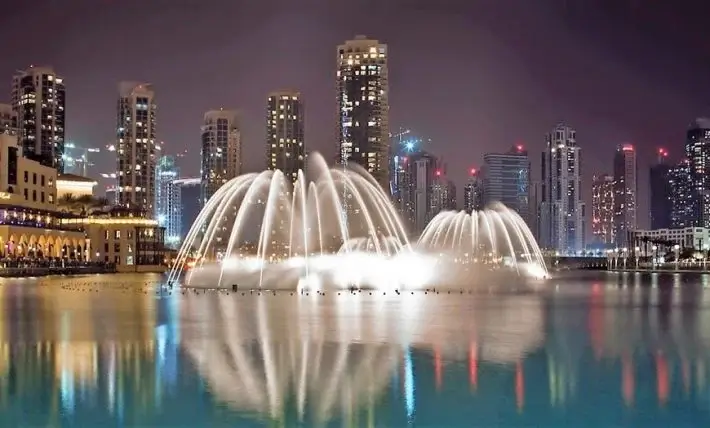
Glass towers still catch the Arabian sun. Gold still glitters along Sheikh Zayed Road. But behind the shine, something has changed.
Dubai, long celebrated as a playground for the global elite, is experiencing a quiet shift. In its most exclusive spaces, the usual rhythm of high spending, constant arrivals, and packed suites has slowed.
At the center of this moment are two of the most iconic properties in global hospitality: Armani Hotel Dubai and Burj Al Arab.
Renovations or Market Reality
Officially, both properties are undergoing major refurbishment programmes.
Management has framed the closures as strategic upgrades designed to enhance long term guest experience and maintain global standards.
READ ALSO: Dubai International airport suspends all flights after drone strike
At Burj Al Arab, the redesign is being led by Tristan Auer, with renovations expected to last about 18 months.
But industry insiders say timing matters.
A Lagos based financier familiar with the luxury travel market explained that hotel groups often align renovation cycles with weaker demand periods to minimise revenue losses while protecting brand positioning.
That context is hard to ignore.
Impact
The slowdown comes amid rising geopolitical tension in the Middle East, particularly involving the United States, Israel, and Iran.
These developments are reshaping travel patterns.
Airlines have adjusted routes, delayed flights, and in some cases cancelled services, creating uncertainty for travellers who prioritise precision and predictability.
Industry operators note that high net worth travellers are especially sensitive to risk signals.
When confidence drops, bookings follow.
Pressure
The impact is most visible at the top end of the market.
Luxury hotels depend heavily on international guests who spend significantly on accommodation, dining, and experiences.
Recent weeks have seen:
- Reduced occupancy levels
- Increased cancellations
- Softer forward bookings
Concierge desks that once handled last minute luxury requests are now managing itinerary changes and postponements.
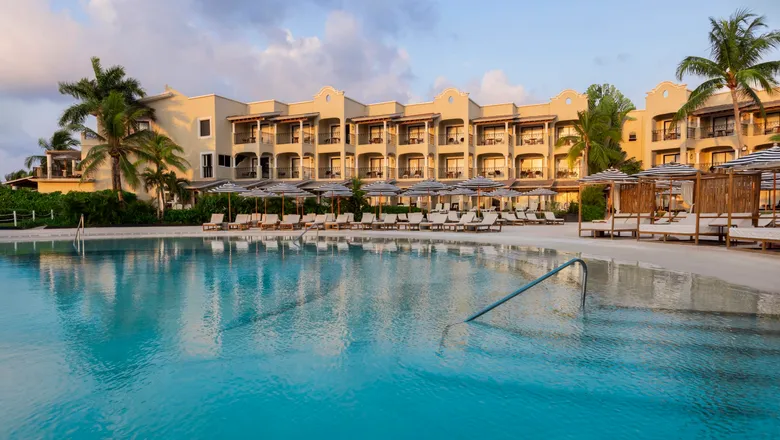
Across Dubai, high end venues are also adjusting.
Restaurants such as Hakkasan and Ossiano have temporarily paused operations, citing upgrades and concept refreshes.
Nigerian Travellers Pull Back
Dubai has long been a preferred destination for Nigerian elites.
From business leaders to entertainers, many have treated the city as a second playground for leisure and influence.
Travel consultants in Lagos and Abuja now report a shift.
Bookings for high end Dubai properties are declining, while interest is rising in alternative destinations across Europe and North Africa.
The reasons are practical:
- Travel uncertainty
- Rising costs
- Changing risk perception
Costs and Market Pressure
Beyond geopolitics, economics is also playing a role.
Rising insurance premiums, energy costs, and supply chain disruptions are increasing operational expenses for hotels.
At the same time, demand softening is forcing operators to rethink pricing and occupancy strategies.
Industry analysts note that refurbishment offers a controlled way to scale back operations without signalling weakness.
Adaption
Dubai has faced disruptions before and recovered quickly.
Its strength lies in reinvention.
New developments continue across the city, and long term confidence remains strong among investors and operators.
The current phase is widely seen as adjustment, not decline.
What Comes Next
Market analysts expect recovery once travel confidence returns and geopolitical tensions ease.
Historically, high net worth travellers resume movement quickly once stability improves.
When that happens, demand for premium accommodation is likely to rebound sharply.
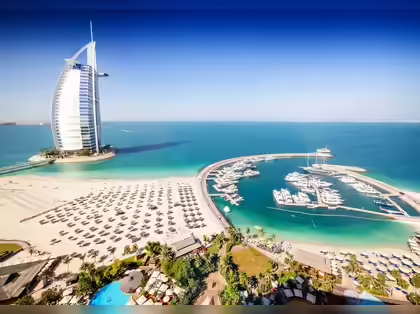
The reopening of Armani Hotel Dubai and Burj Al Arab will serve as key signals.
Dubai is quieter, but not broken.
The slowdown in its luxury hotel sector reflects a global reality where travel, finance, and geopolitics are deeply connected.
For now, the city is recalibrating.
And when the doors reopen, it will be ready to perform again on the world stage.