U.S. federal authorities have arrested the niece of late Iranian military commander Qassem Soleimani after revoking her green card.
This move signals a fresh escalation in Washington’s scrutiny of individuals linked to Iran’s political and military establishment.
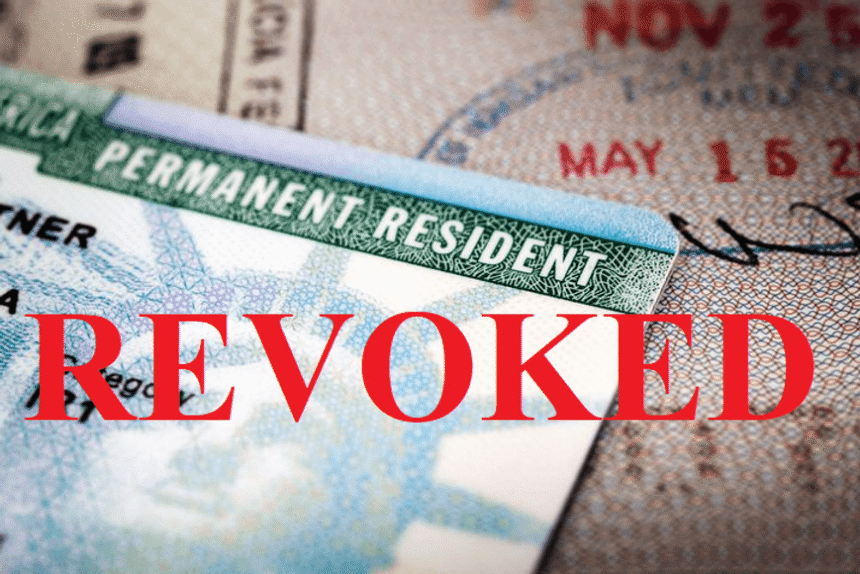
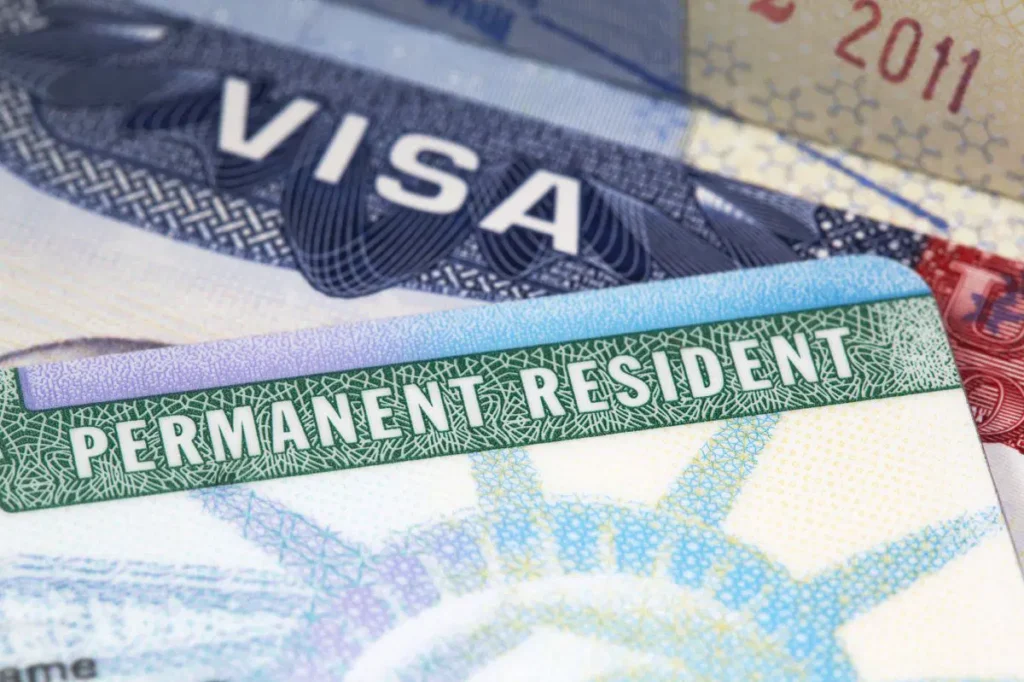
The arrest, carried out by U.S. Immigration and Customs Enforcement (ICE), followed a decision by Secretary of State Marco Rubio to cancel the lawful permanent resident status of Hamideh Soleimani Afshar and her daughter.
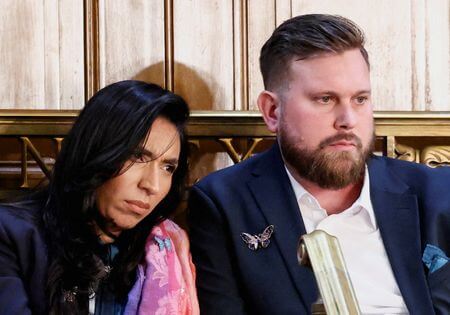
Officials say the action is tied to alleged support for the Iranian government and its security institutions.
A State Department statement confirmed the detention, noting that the individuals were taken into custody after their immigration status was revoked.
“The United States will not tolerate individuals who use residency privileges to advance the interests of hostile foreign regimes,” the department said in its briefing.
“While living in the United States, she promoted Iranian regime propaganda, celebrated attacks against American soldiers and military facilities in the Middle East, praised the new Iranian Supreme Leader, denounced America as the “Great Satan,” and voiced her unflinching support for the Iranian Revolutionary Guard Corps, a designated terror organization. “
“Afshar Soleimani pushed this propaganda for Iran’s terrorist regime while enjoying a lavish lifestyle in Los Angeles, as attested to by her frequent posting on her recently deleted Instagram account.“
READ ALSO: Ethiopia, Turkey, and UAE Impose Visa Restrictions On Nigerian Passport Holders
The State Department said: “The Trump Administration will not allow our country to become a home for foreign nationals who support anti-American terrorist regimes.”
Immigration Status Revoked Amid National Security Concerns
Green card holders in the United States are granted lawful permanent residency, allowing them to live and work indefinitely in the country.
However, that status can be withdrawn if authorities determine a threat to national security, involvement in fraud, or ties to designated organizations.
ICE has not released full operational details but confirmed both Afshar and her daughter are now in custody pending immigration proceedings.
“In addition to the termination of Hamideh Soleimani Afshar and her daughter’s LPR status, Afshar’s husband has also been barred from entering the United States.”
Political Shadow
Qassem Soleimani, the former commander of the IRGC’s Quds Force, was killed in a U.S. drone strike in Baghdad in January 2020.

His death remains one of the most consequential turning points in modern U.S.–Iran relations, triggering waves of regional tension and retaliation threats.
The latest arrests show how Soleimani’s legacy continues to shape diplomatic and legal actions years after his death, extending even into the immigration status of his relatives living abroad.
Security analysts say such cases reflect a broader tightening of U.S. policy toward individuals perceived to have symbolic or operational links to adversarial states.
Rights, Security, Due Process
The arrest has reignited debate in legal and civil rights circles over how far governments should go in restricting residency based on political association.
READ ALSO: Expert says Middle East war disrupting travel and tourism
Critics argue that revoking immigration status over expression-related activity could raise due process concerns, especially when individuals have not been charged with criminal offenses.
Supporters, however, say the U.S. has the sovereign right to revoke residency privileges when national security interests are at stake, particularly amid ongoing geopolitical tensions involving Iran, Israel, and broader regional alliances. Iranian officials have yet to issue an official response, but past incidents involving Iranian nationals or dual citizens have typically drawn strong diplomatic protests from Tehran.
Wider Geopolitical Context
The arrest comes at a time of heightened volatility in Middle East politics, with Washington maintaining pressure on Iranian-linked networks globally while reinforcing immigration enforcement measures at home.
Observers say the case is likely to remain politically sensitive, with potential implications for future immigration decisions involving individuals connected to foreign military or political figures.
For now, the matter moves into immigration court proceedings, where the legal basis for the green card revocation will be tested.