LUANDA – June 25, 2025 | Travel Radio Live
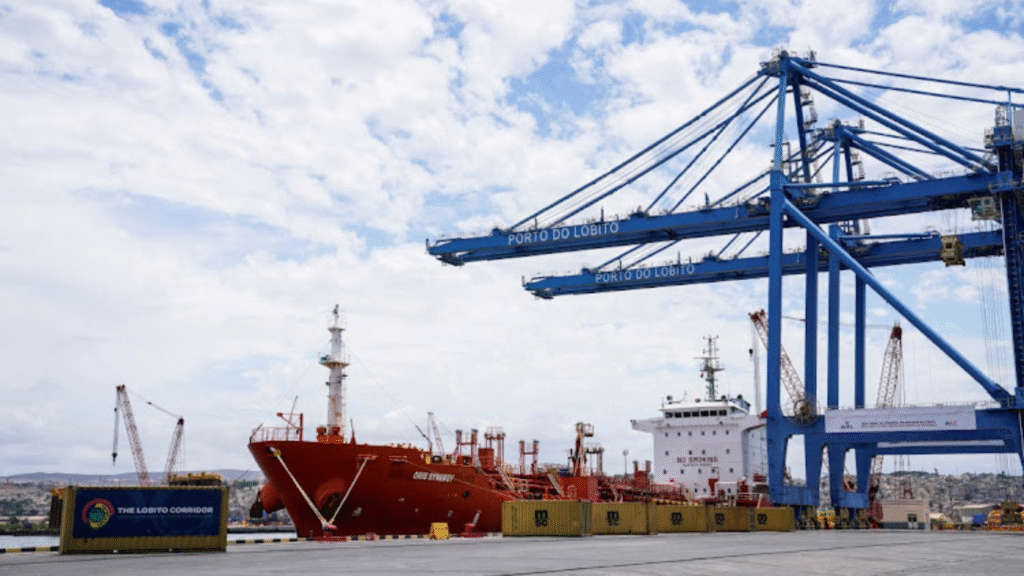
In a groundbreaking move that could reshape travel, trade, and tourism across Southern Africa, Angola and Zambia are accelerating progress on the Lobito Corridor railway project, a 530-kilometer transport link connecting Zambia’s mineral-rich Copperbelt to Angola’s Atlantic port of Lobito.
Set to break ground by Q3 2026, this ambitious infrastructure plan promises not just logistical transformation but a boost in regional tourism, accessibility, and cultural exchange, particularly benefiting local communities, the African diaspora, and global travelers alike.
What Is the Lobito Corridor and Why It Matters to Travelers?
The Lobito Corridor will connect Zambia’s Chingola region, a vital mining and agricultural hub, to Angola’s existing Benguela railway line at Luacano. Once completed, it will offer a direct export route to the Atlantic, slashing transport times and costs for copper, grains, and other goods.
But beyond freight, the corridor opens new routes for train tourism, eco-travel, and cross-border exploration, especially across Angola, Zambia, and the Democratic Republic of Congo. Regional air and road networks are also expected to develop around this core infrastructure, making multi-country travel more accessible for both African citizens and international tourists.
“This is not just a rail line. It’s a corridor for opportunity,”
said Zambia’s Transport Minister Frank Tayali at the U.S.-Africa Business Summit in Luanda.
“We see immense potential to connect communities, promote agriculture, and boost food security, but also to welcome the world to experience our culture, nature, and resilience.”
Read More: U.S. Backing of Lobito Corridor Could Reshape Travel and Trade for Africa
Global Backing, African Ownership
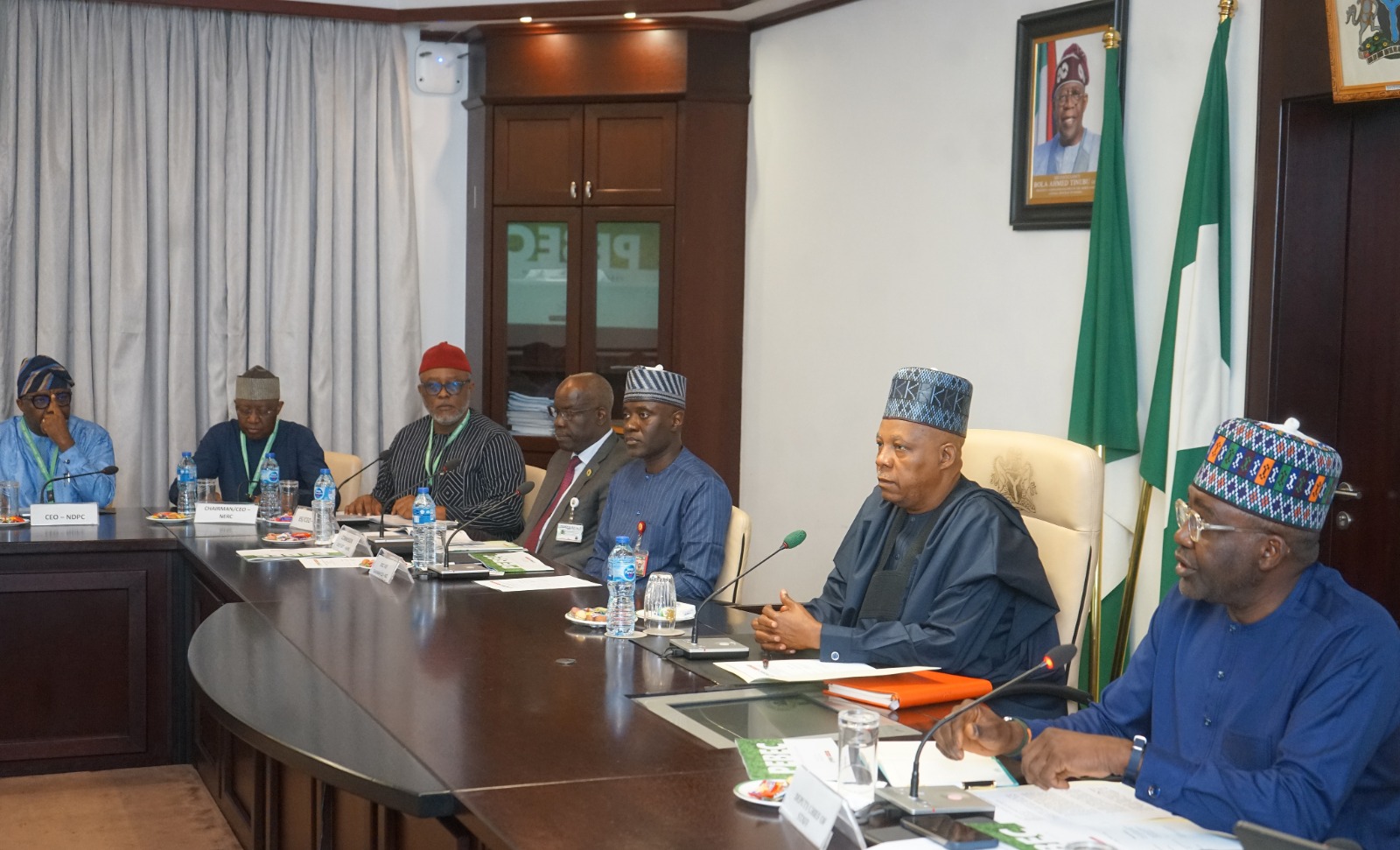
At the summit, Tayali confirmed that Africa Finance Corporation is steering financing discussions, with strong interest from the United States, European Union, and regional blocs. This reflects a broader global shift: investing in African infrastructure as a key to unlocking sustainable development and diaspora connectivity.
Angola’s Minister of State for Economic Coordination, José Massano, added that while the government will not directly fund the project, it is actively shaping private-sector partnerships and ensuring long-term economic viability. Angola is also moving forward with $500 million in World Bank funding, set to be finalized by the end of 2025.
“This project highlights the importance of African-led initiatives with global cooperation,”
said Massano.
“It is a strategic corridor that has the potential to reshape Southern Africa’s economic map and elevate African voices in global systems.”
Tourism Implications: More Than Just Freight
The benefits to tourism are manifold. As infrastructure improves, overland travel becomes more feasible, particularly for adventure tourists, heritage travelers, and backpackers eager to explore less-trodden routes.
Moreover, the Lobito Corridor passes through culturally rich territories, from Zambia’s tribal heartlands to Angola’s colonial towns and scenic Atlantic coast. Travel agencies, tour operators, and hospitality entrepreneurs are already eyeing this development to diversify packages, improve mobility, and promote inter-African travel.
For travelers from the African diaspora, especially in Europe and North America, this corridor offers new ways to reconnect with ancestral homelands. With rising interest in diaspora tourism, initiatives like these offer deeper cultural experiences beyond traditional safaris.
Policy and Safety: What Travelers Should Know
One of the corridor’s key strengths lies in its multi-government support and cross-border cooperation, setting the stage for streamlined visa policies, customs integration, and improved traveler safety.
Enhanced infrastructure often results in improved policing, better emergency services, and expanded digital connectivity, all of which are critical for both leisure and business travel.
However, fluctuating oil prices, such as this week’s dip to $69 a barrel, pose risks to public budgets in countries like Angola, potentially delaying related infrastructure or security enhancements. Angola’s openness to dialogue with the IMF suggests economic flexibility, but travelers should watch fiscal developments closely.
Black Representation, Diaspora Opportunity
This project also underscores a broader narrative: African innovation, led by African voices, with long-term benefit for black communities worldwide. As infrastructure expands, Africans in the diaspora have more opportunities to return, invest, and participate in nation-building, whether through tourism, entrepreneurship, or policy advocacy.
With support from the U.S. and EU, the Lobito Corridor symbolizes a new era of partnership, one that places African priorities, food security, mobility, and sustainability, at the center of global attention.
What Lies Ahead for the Lobito Corridor?
If financing closes as expected, travelers could see the first tourism-focused developments emerging along the Lobito Corridor by late 2027. These may include:
- Eco-lodges and cultural sites along rail stops
- Cross-border tour routes between Angola, Zambia, and DRC
- Agri-tourism hubs that highlight African farming innovations
- Diaspora engagement centers supporting cultural exchange
Until then, the project remains one to watch, not just for investors, but for any traveler eager to explore Africa’s untapped potential.